
How Headless Shopify Can Transform Online Shopping Experience
Ecommerce is evolving fast. Customers expect faster seamless and personalized shopping experiences.
Traditional Shopify works well for most stores but as brands grow its limitations become visible. This is where Headless Shopify comes in.
It can completely transform how customers browse interact and purchase online.
What Is Headless Shopify?
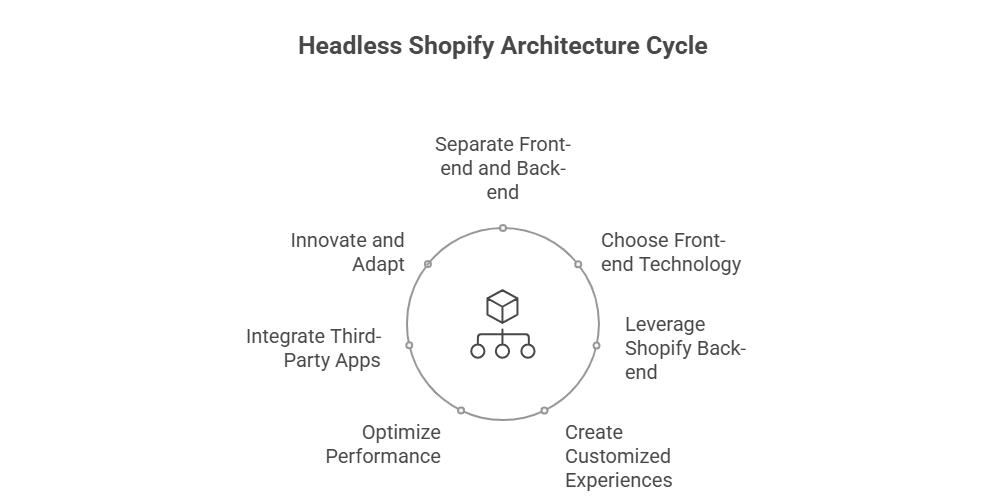
Headless Shopify separates the frontend from the backend.
In simple words:
- Shopify still manages products, inventory, and checkout.
- The frontend the storefront design customers see is built separately using frameworks like React Next.js and Vue.js.
This architecture allows businesses to build unique shopping experiences that are faster smoother and highly customizable.
Faster and Smoother Store Performance
Speed is critical. Slow stores mean lost sales.
Headless Shopify improves performance by:
- Optimizing page load times
- Reducing unnecessary scripts
- Handling multiple products without slowing down
- Ensuring smooth mobile experience
A fast store keeps customers engaged and improves conversion rates.
Personalized Shopping Experiences
Customers love personalization. Headless Shopify allows brands to:
- Show products based on user behavior
- Offer dynamic content and recommendations
- Create interactive landing pages
- Tailor checkout experiences
This level of customization is hard to achieve with traditional Shopify themes.
Multi-Channel Selling Made Easy
Headless Shopify makes it simple to sell across multiple platforms.
You can:
- Sync your store with mobile apps
- Sell through social media channels
- Integrate with marketplaces
- Maintain consistent branding everywhere
This creates a seamless shopping journey across all touchpoints.
Full Design Freedom
Traditional Shopify themes have limits. Headless Shopify removes them.
With headless you can:
- Design fully custom product pages
- Create animated effects and interactive content
- Build content-driven storefronts
- Test different layouts without affecting backend
Brands can stand out with a unique and memorable online presence.
Better SEO and Marketing Control
Headless architecture gives marketers more flexibility.
You can:
- Optimize page structure for search engines
- Build faster landing pages for campaigns
- Track analytics accurately
- Test content variations quickly
Faster and flexible stores also improve Core Web Vitals which can boost Google rankings.
Challenges to Consider
Headless Shopify is powerful but not for everyone.
- Development is more complex
- Requires skilled developers
- Higher initial costs
- Maintenance is ongoing
Small stores or startups may find traditional Shopify simpler and more cost-effective.
When Headless Shopify Makes Sense
It works best for:
- Large ecommerce brands
- Stores with high traffic
- Businesses needing advanced UX
- Brands aiming for omnichannel experiences
- Companies investing in content-rich storefronts
For these businesses, headless architecture becomes a growth enabler rather than just a tool.
Final Thoughts
Headless Shopify is more than just a trend.
It transforms online shopping by offering:
- Faster page loads
- Seamless user experience
- Personalized customer journeys
- Flexible multi-channel capabilities
The key is knowing when your store needs it. Start with traditional Shopify if you’re small, and consider headless when growth performance and customization become priorities.
A well-implemented headless store is not just a website. It’s an experience that keeps customers coming back.
Frequently Asked Questions (How Headless Shopify Can Transform Online Shopping Experience)
How does Shopify headless work?
Shopify headless separates frontend from backend. Storefront uses custom frameworks via APIs while Shopify manages products checkout and data giving flexibility speed and omnichannel experience across platforms.
What are the benefits of headless mode?
Headless mode improves speed flexibility and scalability lets you customize frontend freely delivers user experience, supports omnichannel and integrates easily with modern tools and APIs.
Who is Shopify’s biggest competitor?
Shopify’s biggest competitor is WooCommerce followed by BigCommerce and Magento offering similar features for building, managing, and scaling online stores.
Can Shopify be used as a headless CMS?
Yes Shopify can be used as a headless CMS using APIs letting developers manage backend while building custom frontends with modern frameworks for flexibility and performance.
Leave a Reply