Author: admin

  • How to build a responsive website wireframe in Figma

    Summary

    Wireframing is the foundation of any well-designed website wireframe. Using Figma, designers can build responsive wireframes that adapt to different screen sizes, ensuring usability and user experience across devices. This guide explains how to create a scalable wireframe in Figma for responsive website design.

    Start with the right frame sizes

    Figma offers predefined device frames—start by choosing common breakpoint screen sizes:

    • Desktop (1440px)
    • Tablet (768px)
    • Mobile (375px)

    Use these as your base layout guides. It’s best to begin with desktop and scale down for smaller screens and different devices.

    Establish a consistent layout grid

    • Use a 12-column layout grid for desktop and a 4–6-column grid for mobile.
    • Set proper spacing, margins, and gutters to maintain layout balance.
    • Apply the grid system across different screen sizes to align UI elements consistently.
    • This ensures structure, clarity, and visual hierarchy from the start.

    Add flexible components

    Use Auto Layout in Figma to create responsive layouts. It allows components to:

    • Adjust and resize dynamically
    • Resize with the frame
    • Stack and realign across breakpoints

    Combine Auto Layout with constraints so navigation, buttons, images, and text blocks adapt on various screen sizes.

    Focus on structure, not detail

    Wireframes in Figma focus on layout, user flow, and usability—not final UI design. Use grayscale colors, placeholder text, and basic design elements to keep attention on UX, spacing, and accessibility.

    Final outcome

    A responsive wireframe in Figma creates a strong design system base. It improves handoff, supports responsive website design, and ensures a smooth experience across devices.

    Need help designing wireframes that work on every screen?

    Integriti Studio specializes in responsive design using Figma for modern web design.

    ????Lets build smarter 

  • How Webflow Websites Will Be Built Differently In 2026

    How Webflow Websites Will Be Built Differently In 2026

    How Webflow Websites Will Be Built Differently In 2026

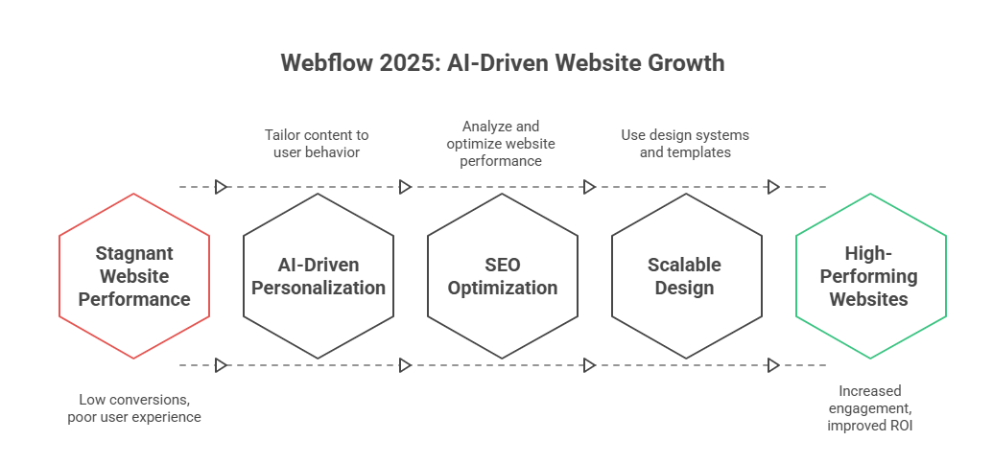
    Why do some Webflow websites outperform others, even with similar content? The answer lies in a combination of factors influencing website performance from seamless UX design and AI-driven functionality to SEO optimization and strategic layout choices. By 2026 businesses that rely solely on templates or basic configurations risk falling behind competitors who leverage professional development ongoing support and intelligent integrations.

    By 2026, Webflow websites will be built using AI-driven tools seamless Figma integrations, and advanced Webflow CMS workflows. Professional development smart SEO and optimized layouts will drive higher conversion while plugins and automation enhance functionality. Businesses will prioritize performance support and design to future-proof and transform their websites effectively.

    You need more than just a functional website the real value comes from a well-designed Webflow site that converts scales and aligns with your marketing goals. Investing in professional development ensures your Webflow CMS plugins and AI tools work together efficiently while expert maintenance keeps your site secure and optimized. For context professional agencies typically structure pricing to cover design development and ongoing optimization reflecting the long-term value of a high-performing conversion-focused website.

    This blog will explore how Webflow websites will be built differently in 2026, highlighting AI-driven enhancements, Figma integrations, SEO strategies, and powerful Webflow workflows. You’ll discover practical approaches to transform your website, optimize conversion, and future-proof your online presence while understanding the essential role of expert guidance.

    How AI Will Transform Your Webflow Website 2026

    How AI Will Transform Your Webflow Website 2026

    The landscape of website building is evolving rapidly, and Webflow has integrated artificial intelligence to redefine how modern websites are designed, managed and optimized. Heading into 2026 businesses can leverage AI-powered tools to enhance user experience, boost Webflow SEO and streamline Webflow development for both content-driven and e-commerce projects.

    AI-Driven Design and User Experience

    Webflow uses AI to automate design tasks suggest layout improvements and create visually consistent elements across a Webflow project. By analyzing user behavior and engagement, AI can optimize UX ensuring that visitors navigate your Webflow site effortlessly. AI features also help identify design inefficiencies early reducing technical debt and supporting long-term scalability.

    Automation, CMS, and Content Optimization

    With AI integration, Webflow CMS collections can be managed more efficiently. AI-driven content suggestions and analytics ensure your content aligns with search engines improving visibility without manual intervention. Automation of repetitive tasks from tagging to layout adjustments allows marketing teams to focus on strategy rather than manual upkeep. Plugins further extend AI capabilities enabling customization and advanced optimization.

    AI for Performance and SEO

    Webflow hosting combined with powerful Webflow AI tools ensures faster load times and better Core Web Vitals directly impacting conversion. AI-powered insights allow your Webflow site to continuously adapt optimizing images, scripts and content for both website performance and online presence. Compared to platforms like Wix or WordPress using Webflow with AI provides a more streamlined high-performance website builder experience.

    Future-Ready Websites

    As Webflow has become increasingly AI-driven businesses can focus on strategic growth rather than maintenance. From automated optimization to smarter analytics and e-commerce solutions AI ensures modern websites stay competitive visually engaging and fully functional in 2026.

    Integrating SEO Plugins And AI Tools Into Webflow

    Effectively integrating SEO plugins and AI tools into your Webflow site can streamline workflows boost search visibility, and enhance user engagement. Here’s how agencies approach it in a professional, value-driven way:

    Streamlining SEO With Plugins

    • Technical SEO Made Simple: Webflow allows plugins that handle meta tags, structured data and sitemap updates automatically.
    • Alt Text Automation: AI-assisted tools can generate descriptive alt text for images improving accessibility and answer engine optimization.
    • Content Optimization: Plugins identify keywords readability and current website content gaps to boost search engine ranking.
    • Google Analytics Integration: AI tools help track visitor behavior and conversion metrics seamlessly without complex coding.

    Using AI Tools to Automate Repetitive Tasks

    • Using AI for CMS Management: AI-assisted workflows reduce manual updates repetitive tasks and content scheduling.
    • Content Recommendations: AI makes suggestions to enhance engagement and align content with user intent.
    • Localization: Automated translation and localization features allow global reach for live sites.
    • SEO Prioritization: AI-driven search identifies which pages need optimization first, letting marketing teams prioritize optimization efficiently.

    Benefits for Webflow Design and Development

    • Streamlined Workflow: Combining Figma design handoff with AI-powered SEO integration reduces manual effort.
    • No-Code Flexibility: AI tools enable enhancements without relying on custom development.
    • Transform Your Website: Integrating SEO and AI ensures your site remains competitive and future-proof in 2026.
    • Performance and Delivery: Plugins and AI optimize content delivery and maintain fast load times on managed hosting.

    Conclusion

    By 2026, building a successful Webflow website is no longer just about choosing a template or publishing content. The future lies in AI-driven enhancements, seamless Figma integrations, and Webflow CMS workflows that optimize performance, UX, and SEO. Integrating plugins and AI tools allows you to automate repetitive tasks, prioritize optimization, and maintain a high-performing online presence with minimal technical debt. Businesses that invest in professional development, expert support, and smart design and development practices will enjoy higher conversion, scalability, and long-term value.

    The combination of AI, SEO, and intelligent workflows ensures your Webflow site not only meets current standards but is prepared for the evolving digital landscape. Whether it’s automation, content recommendations, or analytics-driven improvements, a powerful Webflow site is central to a competitive digital strategy.

    Ready to transform your website and future-proof your online presence? Here’s a tricky question for you: if you could optimize your Webflow site for maximum conversion and performance tomorrow, would you contact Integriti Studio today?

    Frequently Asked Questions (How Webflow Websites Will Be Built Differently In 2026)

    Is Webflow still relevant in 2025?

    Yes Webflow is still relevant in 2025. It continues growing in adoption, powers millions of websites with strong no‑code visual design tools, expanding CMS and e‑commerce features, AI enhancements, and professional use in design and business sites, despite a competitive landscape.

    What is the future of Webflow?

    Webflow’s future beyond 2025 looks strong: it’s evolving into an AI‑native, enterprise‑ready no‑code platform with faster design workflows, smarter automation, built‑in analytics, and expanding global infrastructure. Growth in market share, AI tools, and scalable features suggests broader adoption and deeper business integration.

    What is the future of web development in the next 5 years?

    In the next five years, web development will increasingly focus on AI-driven automation, no-code/low-code platforms, and personalized user experiences. Progressive web apps, voice interfaces, AR/VR integration, and enhanced security will dominate, while faster performance, accessibility, and seamless cross-device functionality become standard expectations.

    Will Webflow replace web developers?

    No, Webflow will not fully replace web developers. It empowers designers and small businesses to build websites without coding, but complex projects, custom integrations, performance optimization, and enterprise-level solutions still require skilled developers. Webflow complements, rather than replaces, traditional web development roles.

  • What Will No Longer Work On Websites In 2026

    What Will No Longer Work On Websites In 2026

    What Will No Longer Work On Websites In 2026

    Why do some websites stop performing even though they looked “modern” just a year ago? The answer often lies in outdated assumptions carried over from 2025. As 2026 approaches, what once worked on the web is quickly becoming a liability. Your website performance is now shaped by speed, clarity, accessibility, privacy expectations, and how intelligently ai is integrated into real user journeys.

    In 2026, websites will no longer succeed with slow load times, cluttered layouts, confusing navigation, or copied design trends. Overused AI features, poor accessibility, outdated updates from 2025, and unsupported web builds will reduce trust, harm user experience, and limit long-term business growth.

    Many businesses still rely on heavy layouts, confusing navigation, slow load behavior, and borrowed trends that no longer match mobile-first usage. Simply embedding a youtube video, copying an app-style interface, or forcing endless scroll does not guarantee engagement. In 2026, ai must support decision-making, personalization, and efficiency not distract users or compromise trust. Without proper support and ongoing updates, even expensive builds lose value fast.

    Professional development protects your investment. A typical website project may range between $1,500 and $6,000, but without maintenance, optimization, and strategic upgrades, performance declines quickly. Good design is not visual polish alone it is structure, compliance, and long-term reliability.

    This blog breaks down what will no longer work on websites in 2026, from outdated web trends and poor navigation to misuse of ai, helping you identify risks, rethink priorities, and make smarter choices for sustainable growth.

    Web Design Trends Failing Websites In 2026 After 2025

    Step 1: Relying on Outdate Design Decisions

    Many businesses enter 2026 still using outdate layouts, outdate components, and outdate thinking carried over from earlier years. While these choices once aligned with popular web trends, they now create a clear risk to performance. Search behavior, user expectations, and search engines have evolved, and web design that fails to adapt quickly loses relevance.

    Step 2: Broken Layouts and Poor Scrolling Logic

    A rigid or overloaded layout is one of the fastest ways to lose a visitor. Endless scroll without visual hierarchy, poorly placed visual cues, or unbalanced spacing harms readability and engagement. These issues directly conflict with modern web design trends and make it harder for sites to perform well across devices.

    Step 3: Overusing Trends Without Purpose

    Blindly copying a popular design trend is no longer effective. Trends that ignore context, usability, or personalization feel disconnected and reduce trust. In 2026, trends must support clarity and outcomes, not experimentation alone. What worked in 2025 often needs a strategic update, not repetition.

    Step 4: Ignoring Performance and Embedded Bloat

    Heavy media choices such as unnecessary embed elements slow sites and impact SEO expectations shaped by Google’s Core Web Vitals. Without regular update cycles and a clear upgrade plan, even well-built sites struggle to keep pace with design trend shifts.

    Step 5: Failing to Plan for Continuous Improvement

    Successful websites are reviewed, refined, and measured. Teams that overlook structured improvement miss opportunities to align with emerging expectations and trends for 2026. The goal is not to chase every change, but to apply web design choices that scale, support growth, and remain future-ready.

    Conclusion

    Websites that fail to evolve with user expectations and technological shifts quickly lose relevance in 2026. Outdated layouts, confusing navigation, overused AI, and heavy media not only frustrate users but also harm engagement, trust, and search visibility. Simply copying design trends from 2025 or neglecting performance upgrades is no longer sufficient.

    To stay competitive, you must invest in professional development, continuous updates, and strategic web design decisions that prioritize usability, personalization, and future-ready layout structures. Modern websites succeed when every element from scrolling logic and visual hierarchy to embedded media and AI features is thoughtfully optimized for speed, clarity, and user experience.

    The key takeaway is that good design extends beyond aesthetics: it is structured, compliant, and focused on measurable results. If you want your business website to thrive and avoid the common pitfalls of outdated trends, continuous improvement is essential. So ask yourself can your website truly perform at its best or is it time to explore a smarter upgrade with Integrity Studio?

    Frequently Asked Questions (What Will No Longer Work On Websites In 2026)

    What will happen to technology in 2026?

    In 2026, technology will become more intelligent and human-centric. AI will power everyday tools, automation will increase efficiency, and digital experiences will be highly personalized. Strong focus on cybersecurity, accessibility, and sustainable technology will shape long-term business growth and user trust.

    What is replacing websites?

    Websites are not disappearing, but they are being complemented by AI-driven platforms. In 2026, super apps, AI chatbots, voice assistants, social commerce, and no-code tools are handling quick interactions, while websites remain the central hub for trust, conversions, content, and long-term digital presence.

    What is the trend in website 2026?

    The website trend in 2026 focuses on AI-powered personalization, fast-loading performance, and clean, modular layouts. Accessibility-first design, voice and chatbot integration, and privacy-focused experiences are becoming standard. Websites are built to guide users quickly, build trust, and support long-term business scalability.

    Do you still need a website in 2025?

    Yes, a website is still essential in 2025. Social platforms and apps support visibility, but a website builds credibility, ownership, and trust. It acts as a central hub for branding, SEO, conversions, and data control, helping businesses grow independently and sustainably.

  • Website Trends Businesses Need To Prepare For In 2026

    Website Trends Businesses Need To Prepare For In 2026

    Why do some business websites generate consistent leads while others struggle to justify their cost? The difference is rarely the platform alone. Performance is shaped by strategic web design decisions, the right design trend adoption, and how professionally a site is built, supported, and maintained over time. As 2026 approaches, expectations around speed, trust, and usability are rising fast.

    Businesses preparing for 2026 must focus on AI-powered web design, accessibility, personalization, and performance-driven layouts. Modern websites will prioritize UX, fast loading, micro-interactions, and scalable architecture. Strategic design trends, ongoing maintenance, and professional development choices will directly impact trust, conversions, and long-term digital growth.

    Businesses that relied on shortcuts in 2025 are now facing limitations in scalability, accessibility, and personalization. Elements like layout structure, typography, color palette, and even how a logo is layered or displayed can directly affect credibility and conversion. Modern websites demand creative thinking, oversized visuals, refined overlays, micro-level polish, and increasingly AI-powered enhancements that improve user experience without overwhelming it.

    Professional development also protects your investment. A new website may cost anywhere between $1,500 to $6,000, depending on scope, but without ongoing support and updates, even strong designs lose value quickly. Smart planning ensures your site evolves with user behavior, not against it.

    This blog explores the most impactful web design trend shifts, design trends for 2026, accessibility standards, personalization strategies, and how AI fits into the future of digital growth—helping you prepare with clarity, confidence, and long-term results.

    Web Design Trends 2026: Shaping Modern Business Websites’ Success

    Web Design Trends 2026 Shaping Modern Business Websites Success

    The Strategic Shift Behind Website Performance

    In 2026, web expectations are no longer driven by aesthetics alone. Website trends now focus on measurable performance, long-term scalability, and user trust. For small businesses, competing in a crowded digital landscape means aligning design with core web vitals, accessibility standards like WCAG, and clear business outcomes. This shift defines the most impactful design trends 2026 has introduced.

    UX, Usability, and Structured Layouts

    Designing for How Users Actually Behave

    Modern success begins with ux and usability. Clean structured layouts, a consistent grid, and logical navigation reduce friction across all web pages. Visitors expect fast page load speeds, intuitive clickable elements, and focused calls-to-action, especially on landing pages. Ignoring these fundamentals often results in slow load times, lost trust, and missed conversions.

    Visual Direction: From Minimalism to Maximalist Confidence

    Making a Strong Visual Identity

    The web design trends for 2026 reflect confidence and clarity. Some brands lean into minimalism, while others adopt maximalist expressions inspired by ’90s nostalgia and futurism. Oversized images, bold shape usage, and expressive design elements are paired with soft gradients, subtle gradient overlays, and even experimental accents like neon pinks, pastel colors, or controlled glitter effects. The key is consistency with your visual identity, not decoration for its own sake.

    Typography, Fonts, and Content Hierarchy

    Content-Led Digital Design

    Strong font choices and readable typography guide attention and support content-based storytelling. In modern websites, typography is no longer secondary; it defines hierarchy, tone, and clarity in a noisy digital world. When paired with neutral color foundations or textured surfaces, it creates balance without overwhelming the user.

    AI-Driven Personalization and Commerce

    Smarter Experiences, Not Louder Ones

    AI-driven interfaces are reshaping digital experiences, particularly for e-commerce. Thoughtful AI-driven logic enables dynamic product recommendations, adaptive layouts, and smarter personalization without sacrificing speed. These capabilities are now part of the top web design trends, especially for business websites seeking scalable growth.

    Tools, Platforms, and Practical Execution

    Beyond Templates

    Relying solely on a rigid template limits flexibility. Modern design tools, platforms like Wix Studio, and experienced collaboration with a professional web designer allow brands to move faster while maintaining quality. Whether launching a new website or refining existing business websites, execution matters more than trends alone.

    Preparing for What Comes Next

    The future of web design is not about chasing every trend. It is about understanding how the year’s trends connect performance, accessibility, and creativity. Brands that shape 2026 and learn from evolving expectations will build modern websites that perform reliably, far removed from the limitations of dial-up thinking while staying relevant to audiences like Gen Z and beyond.

    Conclusion

    Preparing for website success in 2026 is no longer about following trends blindly; it is about making informed, strategic decisions that balance performance, usability, accessibility, and long-term growth. As expectations evolve, businesses that invest in professional web design, structured layouts, thoughtful UX, and scalable, AI-driven personalization will consistently outperform those relying on shortcuts or outdated approaches. From visual identity and typography to page speed, maintenance, and platform choice, every detail contributes to trust, conversions, and measurable business outcomes. The brands that act early will not only adapt to change but shape it, building digital experiences that remain relevant, reliable, and competitive well beyond 2026.

    If your website needs to be future-ready, isn’t it time to ask why not discuss your next move with Integrity Studio?

    FAQs

    What are the web trends in 2026?

    In 2026 web trends, AI-powered personalization, Progressive Web Apps (PWAs), immersive AR/3D experiences, Web3/blockchain, voice and conversational interfaces, strong cybersecurity, low-code/no-code tools, and sustainable, performance-first web design will dominate online experiences.

    What are the 7 C’s of website design?

    The 7 C’s of website design are Context, Content, Community, Customization, Communication, Connection, and Commerce. Together, they ensure a website looks appealing, delivers valuable information, engages users, supports interaction, integrates external links, and effectively drives business goals and conversions.

    What is the future of digital marketing in 2026?

    The future of digital marketing in 2026 focuses on AI-driven personalization, immersive AR/VR experiences, voice and conversational commerce, data privacy-centric targeting, short-form video dominance, influencer credibility, and sustainable, value-based content strategies to deepen engagement and boost conversions across platforms.

    Is website design still a good business in 2025?

    Yes, website design is still a good business in 2025 because companies always need professional, user-friendly, SEO-optimized, and mobile-responsive websites to compete online. Demand for custom design, UX expertise, and scalable sites remains strong despite AI tools and builders.

  • The Website Features Users Will Expect By 2026 

    The Website Features Users Will Expect By 2026 

    Why do some websites feel effortless to use while others frustrate visitors at every click? The difference lies in how carefully you plan for 2026 web design, from layout and navigation to accessibility and AI-driven personalization. Websites that excel are not just visually appealing; they deliver seamless user experience, optimized performance, and real value through thoughtful digital experiences. 

    By 2026, users will expect websites with minimalist layouts, AI-powered personalization, accessible and inclusive design, fast load times, and seamless navigation. Engaging interfaces, immersive digital experiences, and responsive, SEO-friendly web design trends will be essential for building trust, enhancing user experience, and driving conversions. 

    Several factors influence website performance, including clean layout, intuitive navigation, accessibility standards, minimalism, and integration of AI tools for personalization and optimization. Professional development ensures your site scales effectively, stays SEO-friendly, and maintains fast load times. Good design, ongoing support, and regular maintenance are investments that pay off in higher conversion, stronger brand credibility, and better search engine performance. Even modest budgets for a new website can deliver measurable returns when structured with a long-term strategy in mind. 

    This blog will explore the website features users will expect by 2026, including emerging design trends, immersive interfaces, AI-powered personalization, minimalist layouts, accessibility-first approaches, and how smart development decisions enhance digital marketing efforts and guide users toward meaningful engagement. 

    Future of web design and website features 2026 

    As you step into 2026, the future of web design will continue to evolve, shaped by user expectations, emerging 2026 web design trends, and advancements in technology. Businesses must adopt modern, inclusive design practices and AI-powered tools to create new website experiences that are fast, intuitive, and visually appealing. Below are actionable steps to align your site with the top web design trends and features users will expect in 2026. 

    Step 1: Embrace Minimalist and Clean Layouts 

    Minimalist design will dominate 2026 web design trends, focusing on simplicity, white space, and clean typography. Reducing clutter enhances load times and ensures your content and design elements guide users naturally, improving user experience while maintaining a professional appearance. 

    Step 2: Implement AI-Powered Personalization 

    Incorporate AI tools to provide product recommendations, personalized content, and interactive elements. AI-driven automation allows your company’s website to adapt in real-time to user behavior, creating highly relevant experiences that build trust and increase conversions. 

    Step 3: Prioritize Inclusive and Accessible Design 

    Inclusive design ensures your website is usable for all visitors, including people with disabilities. Accessibility considerations, mobile responsiveness, and optimized website speed are crucial for reaching broader audiences while maintaining compliance and good design standards. 

    Step 4: Enhance Interactivity and Visual Engagement 

    Interactive features like motion effects, hover animations, and data visualization improve engagement and guide users toward key actions. A thoughtfully designed website hero section, paired with interactive elements, reinforces brand identity and encourages users to explore further. 

    Step 5: Optimize Performance and Scalability 

    Fast load times, responsive layouts, and scalable infrastructure ensure your website in 2026 supports both mobile users and desktop visitors. Using modern design tools and website builder platforms allows continuous optimization, ensuring your site remains competitive in the evolving digital world. 

    Step 6: Monitor Trends and Adapt Continuously 

    Keep an eye on design trends to watch and trends to expect in 2026. Regularly updating your design strategy with emerging web design trends for 2026 ensures your online presence remains relevant, efficient, and capable of delivering interactive, AI-powered digital experiences. 

    2026 web design trends reveal minimalist AI-powered, inclusive layouts 

    The evolving digital landscape means web design continues to evolve rapidly, and businesses must adapt to meet rising user expectations. Trends reveal that minimalist, AI-powered, and inclusive layouts are shaping the future of web design in 2026. Below are key insights explained in bullet points: 

    • Minimalist Layouts for Clarity and Focus: 
      A trend toward simplicity helps reduce clutter, improves internet users’ experience, and allows content and key messages to stand out. Minimalist design also helps users feel comfortable navigating your site, enhancing engagement. 
    • AI-Powered Personalization: 
      Integrating AI allows your website to adapt in real-time, offering personalized content, product recommendations, and dynamic interfaces. AI helps create an emotional connection with users by delivering experiences tailored to their preferences. 
    • Inclusive Design for Accessibility: 
      Websites must be inclusive, ensuring all users, including those with disabilities, can navigate and interact with your content. This approach signals professionalism and builds trust while expanding audience reach. 
    • Interactive and Engaging Interfaces: 
      Motion effects, micro-animations, and interactive features help users feel more engaged and guide them through key actions effectively. These elements support digital marketers in enhancing conversions and retention. 
    • Alignment with Evolving Marketing Trends: 
      Understanding the 2025 state of marketing helps anticipate what users expect in 2026. Websites that combine minimalist layouts, AI-driven personalization, and inclusivity position businesses ahead in the evolving digital space. 
    • Future-Ready Strategy: 
      Applying these trends can help your website stay relevant, improve user experience, and maintain a competitive edge as web design goes through continuous innovation. 

    Conclusion 

    As we approach 2026, the expectations for websites are higher than ever. Users demand minimalist layouts, AI-powered personalization, inclusive and accessible design, and fast, responsive navigation. Businesses that embrace these web design trends for 2026 create future-ready websites that build trust, improve user experience, and drive meaningful conversion and engagement. 

    A well-designed website is no longer just a digital presence—it’s a strategic asset. Integrating interactive features, optimizing load times, and leveraging AI for personalization ensure your site stays relevant in the evolving digital landscape. Regularly monitoring trends, adapting your website design, and prioritizing accessibility are essential steps for maintaining competitiveness and supporting long-term growth. 

    If your company’s website isn’t fully optimized for 2026, wouldn’t it make sense to see how Integriti Studio can help you stay ahead and create a future-ready website? Could your website really wait while your competitors embrace these trends? 

    FAQs

    What are the web development trends for 2026?

    Web development in 2026 will focus on AI‑driven tools, Progressive Web Apps (PWAs), no‑code/low‑code platforms, Web3 & blockchain, serverless/edge computing, WebAssembly for speed, headless CMS, and stronger cybersecurity & privacy‑first design.

    What is the scope of web development in 2026?

    The scope of web development in 2026 is vast, driven by AI integration, immersive web experiences, and faster, secure platforms. Developers skilled in PWAs, headless CMS, Web3, and no‑code/low‑code tools will be in high demand as businesses prioritize scalability, accessibility, and personalized user experiences.

    What are good features of a website?

    Good website features include fast loading speed, mobile responsiveness, clear navigation, strong security, and accessibility. Other key elements are engaging content, intuitive layout, SEO optimization, contact options, AI-powered personalization, and trust signals that build credibility and encourage users to interact and convert.

    What is the future of websites?

    The future of websites focuses on AI-driven personalization, immersive experiences, and faster, more secure platforms. Websites will prioritize accessibility, seamless mobile performance, voice and visual search, and integration with Web3 technologies, enabling businesses to offer interactive, user-centric, and data-informed online experiences.

  • What Businesses Should Rethink About Their Website In 2026 

    What Businesses Should Rethink About Their Website In 2026 

    What Businesses Should Rethink About Their Website In 2026

    Why do some business websites look polished yet fail to perform, while others quietly drive consistent growth? The difference is rarely the platform alone. It comes from how seriously you rethink website strategy as you move from 2025 into 2026, where expectations around speed, clarity, and trust have changed. 

    Businesses should rethink their website in 2026 by focusing on AI-driven optimization, mobile-first responsive layouts, accessible and intuitive navigation, and conversion-focused web design. Prioritizing user experience, personalization, SEO, and real-time performance updates ensures a future-focused website that drives engagement, trust, and long-term growth. 

    Website performance today is influenced by multiple factors: web design quality, clean layout, intuitive navigation, accessibility standards, and a mobile-first, responsive structure that supports real user experience. Professional development goes beyond visuals—it includes scalability, usability, strong typography, and the ability to optimize for search engines and long-term search visibility. Businesses that use AI for personalization, real-time improvements, and smarter optimization are already gaining an edge in conversion and engagement. 

    Many companies hesitate over costs, yet a basic business website often starts around a few hundred dollars, while a professionally planned, conversion-ready build with support and maintenance reflects real business value not just a template. 

    This blog explores what to rethink about website design in 2026, key design trends, how to use AI effectively, and how future-focused decisions improve SEO, usability, and sustainable growth. 

    Rethink website design UX accessibility and navigation 2026 

    As businesses move into 2026 and beyond, the way users interact with websites is evolving rapidly. A modern website must combine good design, intuitive navigation, and inclusive accessibility features to remain competitive. Below are actionable steps to help you rethink your website design and UX strategy for 2026. 

    Step 1: Evaluate Your Current Website Design 

    Start by reviewing your essential website elements. Check layout, typography, color schemes, and template choices. Ask yourself if your current design aligns with web design trends and design trends 2026, and whether it communicates a trust signal to users. If your website isn’t visually appealing or the design feels outdated, it may negatively impact user behavior and long-term growth. 

    Step 2: Prioritize UX and Navigation 

    Next, analyze the UX and navigation structure. Simplify menus, ensure intuitive pathways, and implement clear call-to-actions. Consider mobile-first design and responsive design to accommodate users on any device. Streamlined navigation not only improves usability but also enhances core web vitals and load times, which are essential for SEO and success in 2026. 

    Step 3: Implement Accessibility and Inclusive Design 

    Incorporate inclusive design practices so your website is accessible to all users, including those with disabilities. This includes text alternatives for images, proper heading structures, and color contrast adjustments. Accessibility improves user satisfaction, expands reach for small businesses, and signals professionalism a top website characteristic in any future-ready website strategy. 

    Step 4: Integrate Content and Multimedia Strategically 

    A solid content strategy paired with video or interactive elements enhances engagement. Use video strategy and optimized content placement to guide users naturally through your site. Ensure your template supports this integration without slowing load times, so your website remains both functional and visually appealing. 

    Step 5: Monitor, Test, and Optimize Continuously 

    Finally, a strategy for 2026 must include ongoing monitoring. Track user behavior, test new layouts, and optimize based on performance data. Incorporate AI tools for real-time adjustments to enhance UX, conversion, and long-term growth. Remember, a website isn’t just a digital presence it’s a dynamic asset that must evolve to stay competitive. 

    Mobile-first responsive layout shaping future of web design 

    Adopting a mobile-first responsive layout is no longer optional—it’s essential for businesses looking to stay competitive in 2026. Websites are no longer static, and design is no longer just about aesthetics. Here’s how mobile-first principles are shaping the future of web design: 

    • Built from the ground for mobile users: 
      Websites are built prioritizing mobile devices first, ensuring content is clear, layouts are intuitive, and essential features remain accessible on small screens. This future-focused website approach allows businesses to stay ahead in both UX and digital marketing strategies. 
    • Conversion-focused design: 
      Mobile-first layouts improve usability, load quickly, and streamline user journeys, increasing user trust and driving better business outcomes. By using AI tools and design assistant solutions, businesses can optimize forms, CTAs, and navigation for higher conversion rates. 
    • Core web vitals and SEO-friendly: 
      Optimized mobile layouts enhance core web vitals and SEO-friendly practices, reducing slow load issues and improving search visibility. Proper web hosting and format choices ensure pages perform efficiently across devices. 
    • Accessibility-first design: 
      Prioritizing accessibility ensures your website reaches all users. Features like scalable typography, clear contrast, and intuitive navigation make the site usable for everyone, signaling professionalism and user trust. 
    • Data-driven real-time optimization: 
      Websites must integrate real-time data insights and AI tools to continuously improve performance. Mobile-first responsive designs allow businesses to monitor engagement, test layouts, and adapt quickly to changing user behavior. 
    • Future-ready and scalable: 
      Mobile-first layouts support scalability, allowing websites to evolve alongside new web development trends. Businesses that embrace this approach ensure their sites are conversion-focused, future-focused websites, and prepared for trends to watch in 2026 and beyond. 

    Conclusion 

    As businesses move into 2026 and beyond, rethinking your website is no longer optional it’s a strategic necessity. Prioritizing AI-driven optimization, mobile-first responsive layouts, accessible navigation, and conversion-focused web design ensures your site not only performs but also builds user trust and drives long-term growth. Regularly monitoring core web vitals, optimizing content, and integrating inclusive design practices will keep your website competitive, scalable, and aligned with evolving web design trends. 

    A future-focused website is dynamic, adapting in real-time to user behavior while staying SEO-friendly and supporting your digital marketing strategies. By combining smart design, professional development, and AI-powered enhancements, you can transform your website from a static presence into a core business asset that delivers measurable results. 

    If your website isn’t performing as expected or your design is no longer engaging users effectively, it may be time to rethink your approach for 2026 and beyond. 

    Curious why struggle with an outdated layout when Integriti Studio could help your website stay ahead? Wouldn’t you want to see how your business can fully leverage a future-ready website? 

    Frequently Asked Questions (What Businesses Should Rethink About Their Website In 2026 )

    What are the web trends in 2026?

    Web trends in 2026 include AI-powered personalization, Progressive Web Apps (PWAs), low-code/no-code development, headless CMS, immersive experiences with AR/VR, voice and gesture interfaces, stronger cybersecurity, faster load times, and accessibility-focused design. Websites will be more interactive, adaptive, and optimized for seamless multi-device experiences.

    What three immediate changes would you recommend to improve our website?

    To improve your website immediately, I recommend: 1) optimizing page speed for faster loading and better user experience, 2) enhancing mobile responsiveness and accessibility to reach all users, and 3) updating content with clear CTAs and AI-powered personalization to boost engagement and conversions.

    What is the future of websites?

    The future of websites is AI-driven, interactive, and highly personalized, focusing on seamless user experiences across devices. They will integrate immersive technologies like AR/VR, prioritize accessibility and privacy, use faster, serverless architectures, and leverage automation and data insights to deliver smarter, more adaptive digital experiences.

    What to consider when redesigning a website?

    When redesigning a website, consider user experience, mobile responsiveness, accessibility, and fast load times. Update content for clarity and SEO, simplify navigation, incorporate modern design trends, ensure security, and use analytics to guide decisions. Focus on conversions, brand consistency, and future scalability for long-term impact.

  • How Website Expectations Are Changing Going Into 2026 

    How Website Expectations Are Changing Going Into 2026 

    How Website Expectations Are Changing Going Into 2026 

    Why do some business websites perform flawlessly while others struggle to load, rank, or convert even when built on similar platforms like WordPress? The answer lies in how expectations are evolving from 2025 into 2026. As 2026 approaches, web design is no longer judged only by appearance. In 2026, performance, accessibility, and long-term scalability define success. Businesses entering 2026 must rethink layout decisions, usability standards, and how ai supports smarter automation and optimization. 

    Website expectations going into 2026 focus on speed, accessibility, and intelligent design. Businesses now expect AI-supported web design, inclusive UX, strong Core Web Vitals, and scalable layouts. Performance, usability, and long-term optimization matter more than visuals alone for growth and trust. 

    Professional development matters more in 2026 because search visibility, seo stability, and conversion rates now depend on core web vitals, clean navigation, and a consistent user experience. A new website in 2026 often costs more than in 2025, with typical professional builds ranging from structured entry packages to higher-tier solutions that include ongoing support, workflow refinement, and third-party integrations. That investment reflects real value: inclusive interfaces, assistive technologies, readable font choices, and accessible ux built for every user. 

    This blog explores trends for 2026, future-ready web design choices, accessibility standards, interface planning, and how to optimize performance. You will learn how 2026 web strategies, inclusive design, and assistive considerations shape sustainable digital growth in 2026 and beyond. 

    Web Design Expectations Shifting From 2025 To 2026 

    Step 1: Performance And Purpose Now Drive Design 

    In 2025, visual appeal often led decisions. In 2026 web expectations are different. Websites in 2026 must balance clarity, performance, and intent. Website speed, scalability, and structured layouts are no longer optional they directly impact how search engines evaluate value. These web design trends show that trends aren’t about decoration; they are about results. Every business now expects a new website to support measurable business outcomes, not just look modern. 

    Step 2: Accessibility And Consistency Are Built In 

    2026 web design prioritizes inclusive access as a standard, not an upgrade. Compliance with WCAG influences layout logic, navigation clarity, and readable interfaces across web and mobile. Design systems ensure consistency as websites grow, helping web designers make smarter design choices without sacrificing usability. Accessibility-first thinking is shaping web experiences that work for all users, devices, and assistive needs. 

    Why This Matters Long Term 

    The future of web design focuses on personalization, motion design, and subtle animation supported by ai-powered workflows and ai tools. These digital experiences reflect user behavior and rising user expectations. Development services now emphasize scalability, automation, and personalization to support growth. 

    Step 3: Strategy Over Trends 

    Expect in 2026 a shift toward high-performing platforms built for 2026 and beyond. The design process integrates web design and digital strategy, ensuring websites evolve with upcoming trends rather than chasing the latest trends. This approach defines great web design and keeps website owners competitive in 2026 web environments. 

    2026 Web Design Trends Speed Layout Motion WCAG 

    Speed As A Baseline, Not A Feature 

    In the digital world, speed directly shapes perception. Fast-loading websites are no longer competitive advantages; they are minimum expectations. Performance optimization reduces cognitive load, improves focus, and ensures every interaction feels intentional. When delays occur, accessibility barriers increase and user trust declines. For every visitor, speed is the first signal of quality and credibility. 

    Layout Decisions That Reduce Friction 

    Modern layouts focus on clarity, hierarchy, and flow. Poor structure creates accessibility issues, while thoughtful spacing, text size, and visual balance improve readability across devices. These practical shifts reflect how users scan content in real time, especially on web and mobile. Intelligent systems now adapt layouts using real-time data, creating experiences that feel responsive rather than rigid. 

    Motion With Purpose, Not Distraction 

    Motion supports understanding when used responsibly. Subtle transitions and guided animation can reduce confusion without increasing cognitive load. However, excessive movement creates accessibility barriers and risks legal exposure, especially under european accessibility standards. 

    WCAG As A Business Requirement 

    Designing to WCAG helps future-proof digital products and protect business outcomes. Smarter tools, including ai-assisted workflows and platforms like chatgpt, support compliance testing and continuous improvement. Learning from 2026 and learn cycles ensures inclusive, fast, and reliable experiences built for long-term growth. 

    Conclusion 

    Website expectations going into 2026 are no longer driven by visuals alone. Speed, accessibility, scalability, and intelligent systems now define whether a website succeeds or silently fails. As seen throughout this blog, performance optimization, WCAG compliance, thoughtful layout, and purposeful motion directly influence user trust, search visibility, and long-term business outcomes. Businesses that treat web design as a strategic asset—rather than a one-time project—are better prepared for evolving user behavior, stricter accessibility standards, and rising competition. 

    Moving into 2026 and beyond, sustainable growth depends on future-proof decisions, professional development, and continuous optimization. A high-performing website is built through informed strategy, not shortcuts, and reflects a clear understanding of both users and technology. If your website is expected to do all this in 2026, shouldn’t you be talking to Integriti Studio already? 

    Frequently Asked Questions (How Website Expectations Are Changing Going Into 2026)

    What are the web development trends for 2026?

    AI‑powered dev tools, Progressive Web Apps (PWAs), low‑code/no‑code platforms, Web3 & blockchain, serverless/edge architecture, WebAssembly for high performance, headless CMS, stronger cybersecurity & privacy‑first design will shape web development in 2026.

    What is the future of websites?

    The future of websites is AI-driven, highly personalized, and mobile-first, focusing on seamless user experiences, faster load times, and accessibility. Websites will integrate immersive technologies like AR/VR, leverage headless architecture, and prioritize privacy and security, making them smarter, more interactive, and adaptable to user needs.

    How have websites changed over the years?

    Websites have evolved from simple, static pages to dynamic, interactive platforms. Early designs focused on basic information, while modern sites emphasize user experience, mobile responsiveness, AI personalization, accessibility, and fast performance. Today, websites serve as powerful tools for engagement, conversion, and brand storytelling.

    What are the UI trends in 2026?

    UI trends in 2026 focus on immersive experiences, AI-powered personalization, and minimalistic yet dynamic designs. Expect dark mode, neumorphism, micro-interactions, voice and gesture navigation, advanced animations, and accessibility-first layouts. Designers will prioritize intuitive interfaces that adapt seamlessly across devices while enhancing user engagement and satisfaction.

  • Is Your Website Ready for 2026? Here’s How to Tell

    Is Your Website Ready for 2026? Here’s How to Tell

    Is Your Website Ready for 2026? Here’s How to Tell

    Why do some websites convert better than others, even when built on the same platform? The answer often lies in subtle performance factors page speed, navigation, responsive layout, accessibility, and how well the site interacts with search engines. Without careful attention to these details, your website might fail to capture leads or deliver a meaningful booking experience.

    Your website is ready for 2026 if it delivers fast, mobile-first navigation, optimized SEO, accessible layout, clear CTAs, and integrates AI tools to enhance conversion. Regular refreshes, professional development, and analytics monitoring ensure your site stays competitive, engaging, and capable of meeting evolving business and user needs.

    Professional development, ongoing support, and smart design choices provide real value beyond aesthetics. A well-planned homepage, clear headings, and strategically placed CTAs guide visitors toward action, while robust analytics help measure success and optimize performance. Integrating AI tools can further enhance personalization and conversion, ensuring your site adapts to user behavior and emerging trends. Even small upgrades or a targeted refresh can dramatically improve engagement, often with costs that fit typical small business budgets for redesign or optimization.

    This blog will show you how to assess whether your website is truly ready for 2026, explore practical ways to boost SEO, mobile experience, and conversion, and guide you through improvements to plugins, layout, and design elements. By the end, you’ll understand exactly what it takes to get your website performing at its peak next year.

    How to Know if Your Website Ready for 2026

    To determine if your website is truly website ready for 2026, it’s essential to evaluate performance, user experience, and adaptability to emerging trends like AI tools. A proper assessment ensures your site meets user expectations, maintains strong search rankings, and supports business growth in a rapidly evolving digital landscape.

    Conduct a Comprehensive Website Audit

    A website audit is the foundation of understanding whether your site isn’t ready or needs improvements. Key checks include core web vitals, pages load speed, and mobile experience. This step also verifies your site secure protocols and plugin efficiency to maintain reliability.

    Evaluate User Experience and Conversion Elements

    Assess how visitors interact with your homepage, landing pages, and service pages. Clear calls to action (CTAs), intuitive navigation, and streamlined mobile layout improve UX and conversion. Leveraging AI-driven personalization further enhances engagement and ensures your site can adapt to changing visitor behavior.

    Assess SEO, Content, and Structured Data

    Optimizing content for search engines, refreshing outdated pages, and implementing structured data improves visibility. Using search and AI tools or AI-powered search helps users find information faster and boosts your 2026 website’s performance in search results.

    Decide if a Refresh or Full Redesign is Needed

    Based on your audit, determine whether a minor refresh your website for 2026 is sufficient or a full redesign is required. Following a practical checklist ensures your site is optimized for the year ahead, delivering seamless mobile-first experiences, improved usability, and measurable business growth 2026 and beyond.

    Refresh Mobile-First Design and SEO for Website 2026

    With the digital landscape evolving faster than ever, ensuring your website is optimized for mobile and search is no longer optional. Users increasingly browse on mobile devices, and a slow or cluttered site can reduce web traffic, engagement, and conversion rates. A mobile-first design paired with updated SEO ensures your site is future-proof, fast, and aligned with modern user expectations.

    Step 1: Evaluate Mobile-First Performance

    The first step is to assess how your website performs on mobile. Your site is often judged by mobile users first, so the mobile layout must provide a smooth, intuitive experience. Check how quickly your content loads on different devices and ensure the site feel is consistent across screens. If your site is slow, consider optimizing images, reducing heavy plugins, or refining navigation. Analyzing how users interact on mobile helps you identify friction points and reduce risk of visitors leaving before engaging with your calls to action (CTAs).

    Step 2: Refresh SEO for 2026

    Next, review your site’s SEO to make sure it helps search engines understand your content and rank your pages effectively. Update site content, headings, and metadata to reflect current trends and integrate structured data to improve visibility in search results. Using AI tools or ai-generated insights can further optimize content for relevancy and search and AI performance. Regular SEO updates, even without a full redesign every few years, ensure your 2026 website remains competitive and discoverable.

    Step 3: Align Mobile-First Design and SEO

    Finally, ensure that your mobile-first layout and SEO work together. A modern design that adapts to mobile devices while maintaining strong SEO improves the site feel, enhances user experience, and supports higher conversion rates. Continuously monitor analytics, page speed, and usability to adapt as trends evolve. Even small adjustments to your site content or layout can make a big difference, helping your business today stay competitive and future-proof your website for 2026 and beyond.

    Conclusion

    Ensuring your website is truly ready for 2026 requires a careful balance of performance, design, and strategy. From conducting a thorough website audit to optimizing mobile-first navigation, refreshing SEO, and leveraging AI tools, every step helps enhance user experience, boost conversion, and maintain strong search rankings. Regular refreshes, professional development, and continuous monitoring ensure your site adapts to changing trends, stays competitive, and delivers measurable results for your business today and in the future.

    A thoughtful approach to layout, site content, and calls to action (CTAs) can make a big difference, turning casual visitors into engaged users. Even minor updates, when guided by analytics, improve web traffic, usability, and the overall site feel, keeping your website future-proof in a digital landscape evolving faster than ever.

    Do you know how Integriti Studio could transform your website into a 2026-ready powerhouse?

    Frequently Asked Questions (Is Your Website Ready for 2026? Here’s How to Tell)

    How can you tell if a website is up to date?

    You can tell if a website is up to date by checking its content freshness, blog or news updates, design trends, and functional features. Look for recent dates, responsive layout, fast loading speed, security certificates (HTTPS), and compatibility with modern devices and browsers.

    What are the 7 C’s of a website?

    The 7 C’s of a website are Context, Content, Community, Customization, Communication, Connection, and Commerce. They ensure a website is user-friendly, engaging, and effective by focusing on layout, relevant information, interaction, personalization, feedback, linking with other sites, and facilitating transactions.

    What is the 3 second rule in web design?

    The 3-second rule in web design states that a website must load and clearly communicate its purpose within three seconds. If users don’t quickly understand the value or experience delays, they are likely to leave, making fast performance, clear messaging, and intuitive design essential.

    Do you still need a website in 2026?

    Yes, a website is still essential in 2026. It acts as a business’s digital hub, builds credibility, supports AI-driven personalization, boosts SEO, and enhances user trust. Even with social media and marketplaces, a website ensures control over branding, conversions, and long-term growth.

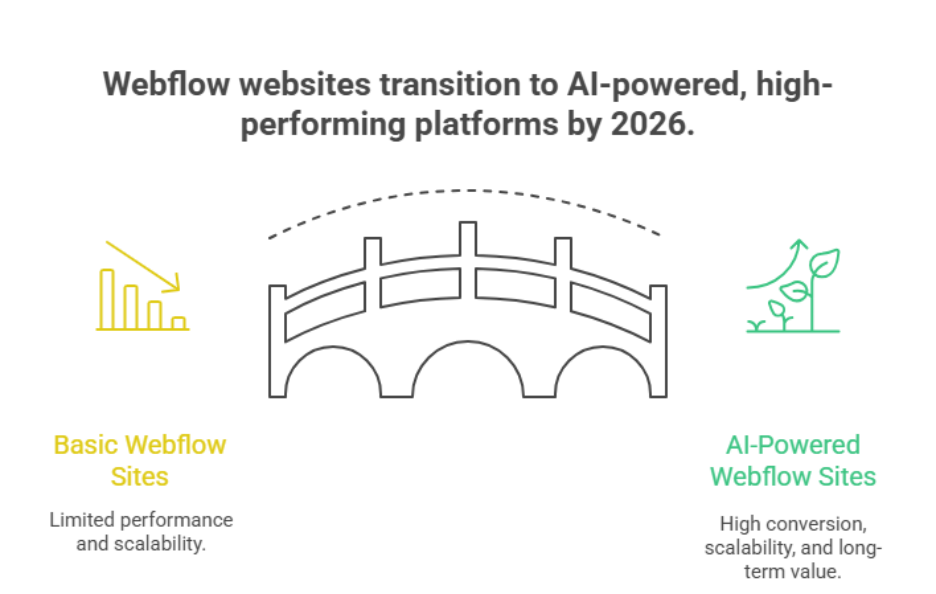
  • What webflow’s 2025 Growth Signals About The Future of No-Code

    What webflow’s 2025 Growth Signals About The Future of No-Code

    Why do some websites perform flawlessly while others struggle to load, scale, or convert despite using similar tools? The answer often lies in the choices you make around web development, not just the platform itself. In 2025, businesses are rethinking heavy coding, bloated plugins, and fragile setups that slow growth. This shift is placing webflow at the center of conversations about efficiency, performance, and long-term control.

    Webflow’s growth in 2025 signals a clear shift toward no-code as a serious web development solution. Businesses want speed, scalability, and control without heavy coding. Webflow bridges design and development, proving no-code platforms are shaping the future of professional, performance-driven websites.

    Website performance is influenced by many factors: clean structure, optimized design, reliable integrations, and ongoing maintenance. Without professional development, even well-designed websites can fail to deliver results. Investing in strong architecture, thoughtful design systems, and expert support ensures stability, scalability, and measurable ROI. While a basic build may start around a few hundred dollars, high-performing websites require strategic planning, customization, and long-term upkeep.

    The growth of webflow in 2025 signals more than popularity—it reflects how businesses are adopting a mature no-code approach without sacrificing quality. As a leading no-code platform, webflow empowers teams to build faster while maintaining precision and flexibility in an evolving digital economy.

    This blog explores what webflow’s momentum in 2025 reveals about modern no-code adoption, how it compares to traditional approaches, and how you can prepare for smarter, future-ready growth.

    Webflow vs Competitors in 2025 Preparing Web Development Future

    Webflow vs Competitors in 2025 Preparing Web Development Future

    Understanding the Competitive Shift

    The web development landscape is changing rapidly, and webflow in 2025 clearly reflects this shift. Traditional tools and generic builders are no longer enough for modern businesses. The rise of no-code platforms shows how companies now prioritize speed, flexibility, and maintainability over complex setups. This marks a defining moment in the future of no-code, where platforms are evaluated on real performance not just ease.

    Webflow Compared to Other No-Code Platforms

    Many no-code platforms offer simplicity, but they often limit customization and scalability. As a website builder, Webflow stands apart by supporting structured website development without sacrificing control. Unlike platforms that rely on rigid templates, platforms like Webflow enable teams to scale confidently, aligning better with web development in 2025 expectations and broader development in 2025 trends.

    Why Agencies and Businesses Choose Webflow

    From an agency perspective, use Webflow means efficiency across the entire development process. Webflow supports advanced design systems, making collaboration smoother and future updates easier. Webflow provides the flexibility to build high-quality web applications and marketing sites alike, which is why Webflow leads much of the modern no-code web development movement.

    Preparing for the Future

    For a small business owner, choosing the right platform is critical. The rise of no-code is not about shortcuts—it’s about smarter delivery. As web development in 2025 evolves, Webflow positions itself as a long-term solution that prepares businesses for scalable growth, evolving demands, and the future of digital experiences.

    Why Businesses Use Webflow Over Coding WordPress in 2025

    • Webflow stands as a modern alternative to heavy traditional development, reducing dependency on manual coding workflows.
    • Unlike wordpress in 2025, Webflow enables teams to build fully functional websites without code or a single line of code.
    • Webflow empowers non-technical users and teams with little or no technical background to manage and scale sites confidently.
    • Built-in responsive design tools ensure consistent performance across devices without extra plugins.
    • Compared to many competitors in 2025, Webflow offers faster execution, cleaner structure, and fewer maintenance risks.
    • The platform supports complex projects while still simplifying building a website from design to launch.
    • As part of the broader no-code evolution, Webflow is actively shaping the future of how businesses approach digital growth.
    • This makes Webflow a strong choice for companies preparing for the future of web platforms and long-term scalability.

    Conclusion

    Webflow’s growth in 2025 clearly reflects how businesses are redefining web development priorities. Performance, scalability, and long-term control now matter more than relying on heavy coding or fragile plugin-based systems. As a mature no-code platform, Webflow allows companies to move faster, maintain design consistency, and adapt to changing digital demands without compromising quality.

    When compared with competitors and traditional platforms like WordPress, Webflow stands out for its structured approach, cleaner development process, and ability to support complex, future-ready projects. This shift is not about avoiding expertise it’s about investing in smarter tools, professional execution, and sustainable growth. Businesses that choose platforms aligned with these values are better positioned to scale, optimize, and compete in an evolving digital landscape.

    If your website is critical to growth, the real question is not whether to adopt modern platforms but how well they are implemented. Is your current website strategy strong enough, or is it time to talk to Integriti Studio and rethink it?

    Frequently Asked Questions (What webflow’s 2025 Growth Signals About The Future of No-Code)

    What is the future of webflow?

    Webflow’s future in 2025 is strong, evolving as a no‑code, AI-enhanced platform that enables fast, scalable, and high-performance websites. With AI tools, enterprise capabilities, and flexible integrations, Webflow helps businesses and creators build, optimize, and maintain websites efficiently while bridging no-code and traditional development workflows.

    What is the future of no-code platforms?

    The future of no-code platforms is rapidly expanding, driven by AI integration and increased demand for fast, scalable, and customizable digital solutions. These platforms enable businesses and creators to build websites, apps, and workflows efficiently, reducing reliance on traditional coding while supporting innovation, automation, and faster time-to-market.

    Should I learn Webflow in 2025?

    Yes, learning Webflow in 2025 is valuable. As a no-code, AI-enhanced platform, it enables you to build responsive, high-performance websites without extensive coding. Mastering Webflow enhances your career opportunities, supports efficient web development, and prepares you for the growing demand for scalable, modern web solutions.

    Is web development still relevant in 2025?

    Yes, web development remains highly relevant in 2025. Despite the rise of no-code and AI-powered platforms, skilled developers are essential for creating custom, scalable, and secure websites, optimizing performance, integrating advanced features, and ensuring a superior user experience that meets evolving business and technological demands.

  • Why Websites Built In 2025 Are Aging Faster Than Before

    Why Websites Built In 2025 Are Aging Faster Than Before

    Why Websites Built In 2025 Are Aging Faster Than Before

    Why do some websites built in 2025 already feel outdated while others continue to perform flawlessly? The answer often lies in subtle factors influencing website performance from load times and mobile devices compatibility to proper content delivery via content delivery networks and clean HTML coding. Even a modern website can age quickly if these fundamentals are overlooked.

    Websites built in 2025 are aging faster due to rapidly evolving AI, user experience, and optimization standards. Outdated content, slower load times, and lack of ongoing audits or professional maintenance reduce website performance and search engine visibility, making regular updates essential to sustain engagement and conversions.

    Professional development and ongoing maintenance are essential to keep your online presence competitive. Thoughtful website design, regular audits, and optimization ensure your site not only functions efficiently but also provides a superior user experience that resonates with your audience. Investing in high-quality design, support, and maintenance whether through tiered service packages or comprehensive plans can significantly enhance performance and long-term ROI. Small upgrades, such as AI-driven tools or lightning-fast content delivery, can have an immediate impact on engagement and conversions.

    This blog will explore why websites built in 2025 are aging faster than expected, highlighting the role of AI, evolving user experience expectations, optimization, and search engine requirements. You’ll also discover actionable strategies and audits to ensure your current website remains competitive and future-proof.

    Why 2025 Websites Are Aging Faster Than Expected

    Step 1: Evaluate Website Performance and Speed

    Start by assessing your website’s overall performance. Check the site speed and website performance across all devices. In 2025, even a one-second delay in page load time can increase bounce rates and reduce conversion rate. Conduct a thorough website audit to evaluate server load, time to first byte, and implement lazy loading for images to improve responsiveness.

    Step 2: Update Design and Functionality

    Review your current website for outdated web design or functionality. Modern websites require responsive layouts, intuitive navigation, and features like social media integration. Ensuring your website design aligns with modern web standards enhances user experience and search engine performance.

    Step 3: Refresh Content and SEO

    Regularly updating content is critical. Outdated content negatively affects search engine optimization and reduces web traffic. Refresh all web pages with relevant information, keywords, and engaging elements to improve experience and search engine rankings.

    Step 4: Implement Modern Development Strategies

    Adopt forward-looking development strategies to keep your site competitive. Integrate AI integration, AI algorithms, and other advanced tools to optimize website performance, personalize user experiences, and stay relevant in the evolving digital landscape.

    Step 5: Monitor and Maintain Regularly

    Consistent monitoring is key. Conduct routine website audits to track website speed, Google’s core web vitals, and overall compliance with modern websites standards. Keep an eye on web traffic, potential customers, and market share to ensure your site continues to meet business goals.

    Step 6: Focus on User Experience and Engagement

    Finally, prioritize enhancing user experience. Ensure your website delivers fast load times, responsive design, and interactive web pages that keep visitors engaged. Optimizing experience and search engine rankings helps your site remain relevant, attract potential customers, and support long-term growth.

    How AI Impacts Modern Websites and User Experience

    AI Enhances Loading Performance

    • AI optimizes loading for images and videos to reduce delays.
    • Improves largest contentful paint and overall loading performance.
    • Helps users find information quickly, creating smoother navigation.

    AI-Powered Optimization in Action

    • Prioritizes which elements load first based on user behavior, device type, and network conditions.
    • Makes a website feel faster and more responsive, reducing bounce rates and increasing conversion rates.

    Personalization and Engagement

    • Delivers tailored content for individual visitors, improving user experience improvements.
    • Highlights relevant social media posts and recommended content.
    • Guides users naturally to the information they need, helping them find information quickly.

    Making Your Website Feel Intelligent

    • Make your website feel intuitive and responsive, enhancing overall engagement.
    • Creates a professional presence that encourages repeat visits and builds trust.

    Strategic Advantages Beyond Performance

    • AI provides insights on user behavior to guide website design and content decisions.
    • Helps take your website to the next level, keeping it competitive and relevant in the modern digital landscape.

    Conclusion

    Websites built in 2025 are aging faster due to evolving AI, user experience, and optimization standards. Even modern websites can fall behind if outdated content, slow load times, or lack of ongoing audits and professional maintenance are overlooked. Regular updates and thoughtful website design are essential to maintain website performance, improve search engine visibility, and sustain engagement.

    Integrating AI-driven tools, optimizing loading for images and videos, and enhancing user experience improvements keeps your website responsive, personalized, and competitive. Prioritizing fast load times, interactive web pages, and continuous monitoring ensures your site meets evolving standards and supports business goals.

    So, if your website is already behind the times, the real question is will you wait, or contact Integriti Studio to future-proof it today?

    Frequently Asked Questions (Why Websites Built In 2025 Are Aging Faster Than Before)

    Why remains having a website essential in 2025?

    Having a website remains essential in 2025 because it serves as a central hub for your online presence, enabling businesses to reach potential customers, showcase products or services, and compete in the evolving digital landscape. A well-maintained website enhances user experience, credibility, and long-term growth.

    What is the oldest website still running?

    The oldest website still running is the CERN website, created by Tim Berners-Lee in 1991, which introduced the World Wide Web to the public. It remains active today as a historical reference, demonstrating the origins of web technology and the foundation of modern internet infrastructure.

    How many websites exist in 2025?

    As of 2025, there are about 1.2 billion websites on the internet, though only a small portion (around 15–18 %) are actively maintained and updated. This reflects the massive scale of the web and its ongoing growth as new sites launch daily.

    What is the 3 second rule in web design?

    The 3-second rule in web design states that a website should load its main content within three seconds. If it takes longer, visitors are likely to leave, increasing bounce rates and reducing user engagement, conversion rates, and overall website performance.