Tag: Digital Marketing

  • 10 Creative Interactive Facebook Post Ideas To Get Your Audience Engaged

    Facebook still reigns supreme for exposing your content to a broad audience. Businesses from all niches can find or even curate a loyal following with the right marketing. 

    (Here are some key learning points to take home!)

    Key takeaways:

    • Posting content is simply not enough, it needs to be engaging! What better way to increase engagement than having your content interactive?
    • Story games are immensely popular on Facebook and Instagram. Make sure to make the most of the options available. We strongly suggest using the Poll and Questions feature!
    • Video content does amazingly well on social media nowadays. Have your audience interact with your reels on stories or better yet, go live and speak to them in real time!

    Interactive Facebook posts ideas:

    1. Polls

    The internet loves polls! Facebook in specific, allows you to gather insights from your audience with ease while giving you a good idea of what they’re interested in. With the amount of interaction, polls also have the added benefit of allowing you to track the success of your different content types, gauging which is most popular and useful for your audience.

    Tip: To create a poll on Facebook, you need to first create a poll question. Make sure that the question you choose is hooking enough to make your audience want to engage with it.

    A limitation of Facebook polls is that you can only conduct them in stories.

    2. Quizzes

    A quiz is one of the most engaging types of content on Facebook. It can also be a great way to get your target audience to interact with your brand in a meaningful way. Facebook users love quizzes because they can learn something new, interact with others and make new friends. 

    Let’s not forget, it’s all about building a community around your brand.

    You can run quizzes for your business that allow you to engage your target audience with information about your products and services. Facebook’s native quiz tools create custom quizzes. 

    These tools allow you to create multiple-choice questions and also integrate with external services like Survey Monkey and Interaction. This can help you crowdsource your questions and quizzes.

    3. Fill-in-the-Blanks

    A fill-in-the-blank post can be a great way to engage your target audience. It can also be a good way to gauge their interests and help you uncover the needs and interests of your customers. Facebook users love fill-in-the-blank posts because they give them a focus and guide through which to enter their thoughts and feelings. 

    These types of interactive posts can also be a good way to connect with others as a business, especially to gather feedback. 

    Social listening is key when it comes to sustaining and building relationships with your audience.

    You can create a fill-in-the-blank post in a variety of ways. You can use a free or paid tool to create a template, or you can simply type out your content on a computer and paste it onto Facebook. You can also create a fill-in-the-blank post using an iOS or Android app.

    4. Video Contests

    If you’re looking for a different type of fun interactive post that will engage your audience and get them talking, a Facebook contest could be the perfect fit. Internet users love to take part in contests, and they also enjoy watching videos. This means you can use contests to not only engage your audience but also to increase the traffic your content generates.

    You can create a Facebook contest using Facebook’s native tools. You can create multiple prizes and different contests. When creating your contest, be sure to include instructions and rules on how the contest works.

    5. Caption Contests

    Like polls, caption contests can help you gauge the interests of your Facebook followers. They can also be a fun way to get your brand name out there and build some brand equity. Caption contests are a fun and easy way to spread your brand name, engage your fans, and also gauge their interests. 

    Caption contests are brilliant for audience involvement. 

    A tip: post a fun brain teaser!

    6. Add-your pictures

    The picture-adding feature is available on Facebook stories. The feature is shared by Meta-owned Instagram too and is one of the best methods to create a cycle of content. 

    To have your audience interact with your story and take the time to share their take on the brief, make sure that you write something entertaining. 

    Likewise, the brief shouldn’t be too specific either. Everyone has a unique experience and Facebook is a platform with a diverse audience. To ensure high-level participation, your initial brief should be something that most people can relate to.

    For example, “post a picture that sums up your month” or, “the 3rd picture in your gallery will be your mood for the week”.

    7. User-Generated Content

    Facebook users love to share content from businesses and brands that they love. One way to boost your own content and get more likes is to ask your fans for user-generated content. You can create a survey or survey-style post asking your fans to submit photos, videos, polls or other types of posts that they would like to see from you. 

    Or, you can even use a Facebook app to create surveys. When creating surveys or other types of posts that include user-generated content, make sure that you’re not asking too much. If a post goes over the 30-second time limit, it will be less likely to be seen and viewed. In 2023 short and crisp video content does best on Facebook.

    8. Live Q&A

    Facebook users love getting inside information from businesses and brands that they love. An effective way to increase engagement on your Facebook posts is to host a live Q&A session. A live Q&A post will allow you to create a direct connection between your brand and your audience.

     You can do this by asking your fans’ questions and allowing them to provide insight into what they like and what they want to see more of from you. You can host a live Q&A session using a Facebook app, or you can do it by creating a custom post. When creating your post, include the right tags so that the right people see it and can see you.

    Apart from asking what clients want to see more, you could also have them ask questions about your brand and answer them in real time!

    9. Live Events

    Another great way to boost engagement on your page is to host live events on Facebook. Live events allow you to create an interactive experience for your fans, allowing them to get involved in your content and giving you real-time feedback and insight into how you can improve your brand and business.

    People love life events because they provide an interactive experience that’s outside of the typical social media posting. Also, Facebook users are more engaged during live events than when reading a mere post.

    10. Giveaways

    Facebook users love giveaways, and honestly, who doesn’t! An audience is more likely to interact with your posts for giveaways, as opposed to your typical Facebook posting. A giveaway can boost engagement and shares on your posts, especially if it is great! 

    People love giveaways because they’re a great way to get your name out there and give your fans something to talk about. Many businesses also choose to host them on Facebook to boost their brand awareness.

    Conclusion

    Verdict: are interactive posts for Facebook all that important?

    Facebook is the largest social network in the world, and it continues to grow, attract new users, and garner more attention from businesses of all niches. Facebook post ideas can be challenging, but they don’t have to be. With the tips presented in this article, you can integrate creative and effective Facebook post ideas that will get your brand in front of your target audience.

    While these cover the ideas for Facebook, boost your Instagram engagement with Instagram story games

  • 6 social media marketing trends to try before the year ends!

    Social media marketing trends are in constant evolution. A platform, a specific trend or a even content type that was relevant, a year ago might not be as popular now. 

    To help businesses keep on top of the ever-changing fads, here’s a list of 6 trends that can be incorporated into their next marketing strategy. 

    Include TikTok in your marketing platforms

    The father of all social platforms to have a digital presence are of course Meta-owned; Facebook, Facebook Messenger, WhatsApp and Instagram. Instagram was one of the best platforms for businesses that had them experience some of the highest ROIs (depending on the industry) but the trend is slowly changing. 

    TikTok was the most downloaded social media app on the Google Play Store in September this year according to Statista followed by Instagram. 

    Why is business TikTok’s success crucial? To put it plainly, it is the only platform to see staggering and steady growth in the past few years. The short-form video app had only 689 million users in January 2021 and crossed the 1 billion user threshold exactly a year later. That’s approximately 45% growth within the year!

    The users on the platform are primarily Gen Z and millennials (aged 10-29) but recent research shows that users aged 30-49 are steadily climbing the ranks. 

    The search demand for TikTok has also grown by 173% over the last year whereas the growth has only been 22% for Instagram reels.

    The app poses the perfect setup for businesses as they can:

    • Showcase the fun, humanised and authentic side of their brand.
    • The user-friendly interface makes short-form video editing a breeze.
    • TikTok democratises content and gives all users an equal footing in going viral.
    • The TikTok Business Centre provides ample support for organisations to seamlessly operate ad accounts with increased security.

     Maybe your next BTS work video on TikTok will be the next trend!

    Jump on the short-form video bandwagon

    YouTube undoubtedly is still the king of video but with the rise of TikTok, Instagram reels and the general short attention span of the average internet user, short-form content has proven to be a powerful tool for marketers and influencers. 

    This not only increases brand awareness, traffic, and brand loyalty but sales as well.

    report by HubSpot revealed that 54% of marketers were employing short-form videos to reach their marketing goals. What’s interesting is that 85% of marketers surveyed believed that bite-sized video content was the most well-received format on social media in contrast to long-form content. 

    These crisp and to-the-point videos rank highest when looking at marketing options for engagement and lead generation as they significantly increase the chances of going viral. 

    Magnetic Marketing too experienced a surge of engagement when we posted short-form video content ranging from 8-20 seconds. 

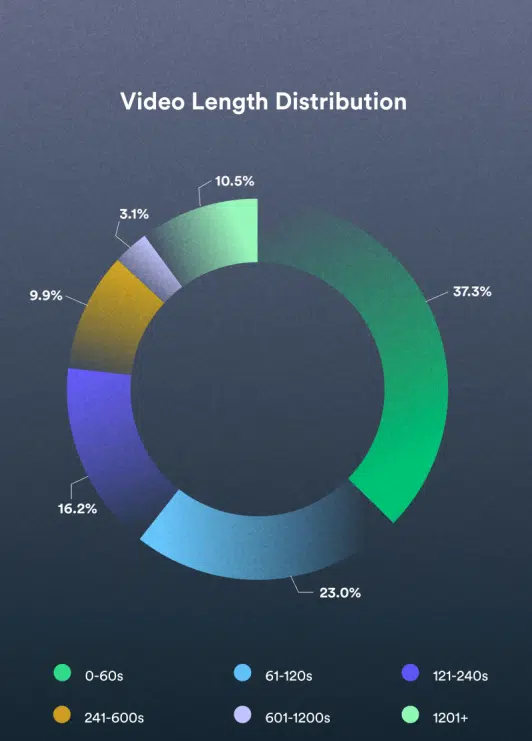
    Research has also shown that longer videos actually put off users from consuming content, especially on social media. It was also brought to light that the ideal content length for Facebook, Instagram and TikTok ranges from the 15-30 second ballpark.

    Image graph about video length distribution
    Image source: Vidyard – social media trends

    Offer shopping within the app with social commerce

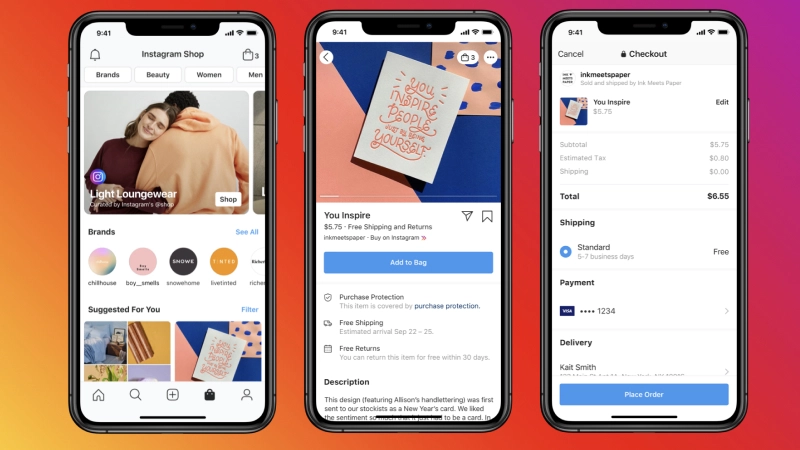
    Using a social platform to achieve marketing goals has been around the block for some time now. What’s new is that users can now purchase items without leaving the platform. Instagram and Facebook launched the Shops feature back in 2020 to make purchasing a frictionless experience for buyers. 

    The prospect of selling and buying without leaving the platform is going to become immensely popular. Research by eMarketer predicts that by 2025, the social commerce industry would be worth $80 billion in the US only. 

    The go-to method of vetting a business or its product is already social media for the modern buyer. About 54% of social media users use these platforms to find information about a product and check its reviews and the brand’s representation.

    The fashion industry would be a great social commerce example of an industry that has successfully cultivated a loyal audience. 

    By offering a shopfront and checkout option right there and then, businesses can capitalise by making shopping hassle-free for their audience. As of yet, the platforms that offer social shopping experiences are Instagram, Facebook, Pinterest and TikTok.

    An Image of Instagram shop
    Image source: Instagram Shop – how it works

    Have a social listening strategy in place 

    Social media poses to be a gold mine for insights and analytics that companies can use to refine their social strategies. This is where social listening comes in. The activity pertains to identifying growth opportunities and then strategizing according to insight determined through monitoring.

    While social monitoring is certainly the foundation for social listening, the two serve different purposes. Listening to conversations around a brand means that they engage with it in a way that dictates adjustments in their strategy based on insights.  

    Businesses can join in conversations with customers or respond to questions in real time. Doing so can help them understand their customer’s preferences, take charge of the message being put out and avoid PR mishaps.

    The market is full of social listening and social monitoring tools that offer marketers much ease to tap into valuable information. By attuning to a social conversation taking place around a brand, marketers can successfully gauge the efficacy of their efforts, get an understanding of the audience’s sentiment and ultimately increase the value of their organisation. 

    BeReal by employing user-generated content

    Did you catch the pun in our subheading just there? User-generated content is exactly what it refers to. Content created by users for the users. Along with the video, user-generated content keeps appearing on the list of social media trends. 

    Modern consumers look for originality and authenticity over perfection now. Gone are the days when an overly edited image and a perfectly curated feed made a business reliable in the customer’s eyes. They now want content that is real and relatable.

    The popularity of BeReal and TikTok can be attributed to exactly these. The need for real and filter-free content. Statistics show that campaigns that incorporated UGC in their strategies see 50% more engagement. Adding to that, 79% of social media users say that their buying decision is heavily impacted by user-generated content. 

    UGC mainly has three characteristics.

    1. It is created by the customer/user of the product
    2. Is informational and creative in nature
    3. Generally accessible 

    Employing such content in a strategy can have a business appear authentic and the general market sentiment is that people want to work with real brands. The success rate is 29% more when compared to campaigns that do not use it.

    Brand involvement and social justice

    The modern consumer expects the brands they give business to chime into environmental issues, and political and social justice. This could be either sincere involvement or a marketing tactic only. 

    One of the biggest markets, GenZ specifically likes to engage with “ethical brands”. This not only means being conscious of how a business presents itself online but rather how things work on the backend too. 

    Only recently, Adidas was forced to drop Kanye, after the singer made antisemitic remarks. The show company lost $650 million after letting the rapper go. Nike, also engaged proactively in social issues as a part of its marketing.

    Brand activism also in turn humanises a business and may result in increased brand awareness and customer loyalty. Nike’s initiatives bore fruit and the brand experiences a significant number in sales. Brands only need to be careful about how they take on a sensitive topic and need to align their approach to resonate with the sentiment of their target audience. 

    Conclusion

    Social media trends are always changing, which is why brands need to keep their ears close to the buzz. While it may be difficult to follow every trend on our list, we suggest starting slow and incorporating what seems doable in your strategy and focusing on it.

    Also, paying close attention to what your customers say is an approach that goes beyond trends. 

    Summary

    1. Include TikTok in your marketing platforms
    2. Jump on the short-form video bandwagon
    3. Offer shopping within the app with social commerce
    4. Have a social listening strategy in place 
    5. BeReal by employing user-generated content
    6. Brand involvement and social justice

  • 7 social media marketing myths to walk out on in 2023

    The abundance of data on the internet about any given topic means that there is a lot of inaccurate information too. Social media is one of those spheres where personal experience and factual information very commonly butt heads. Considering the number of narratives, it can become difficult to differentiate fact from fiction.

    To tackle the issue, we present 7 social media marketing myths businesses need to leave behind for optimal marketing success in 2023!

         1. It’s important to be omnipresent on social media

    One of the most common misconceptions businesses that are new to social media have is wanting to establish their presence on every social media platform. Don’t get us wrong, we understand how covering some fronts are important for most but it doesn’t mean that they should try to incorporate every website or app in their social media strategy.

    Focusing on platforms where the target audience is predominantly present is the way to go. For example, fashion brands can look into having Instagram, Facebook, TikTok and Pinterest accounts as these are most popularly used among the fashion folk. 

    Narrowing down the approach can help brands better understand the platform, and their audience and create relevant content accordingly. 

    A tip: Identifying marketing goals can effectively help a brand decide which platform to use.

         2. More Followers = More Business

    Illustration of raising hands showing why engagements is important for every digital marketing plan
    Source: Brindle Marketing

    Increasing followers and engagement is undoubtedly a core part of any social media marketing plan. What can be an error is marketers focusing only on this aspect. Malpractices like buying Instagram followers or Facebook likes are common and can affect the strategy negatively in the long run. 

    A healthier approach would be to check the quality of followers rather than the quantity. Having an influx of followers may not mean the best engagement or ROI whereas a focused and even limited pool of users may be the best to increase sales. One of the core practices of a successful marketing strategy is to identify and target the audience properly.

    If confused, head over to a competitor’s profile to check out what they are posting. If the engagement is healthy, the brand will understand the type of content its target audience is attracted to.

         3. It’s okay to wing your marketing 

    Many businesses jump on the social media marketing bandwagon by joining social media platforms without actually having a plan in place. To promote and grow their brand properly having a strategy and a dedicated team behind is extremely important. 

    Without a plan of action, the content being released won’t be conversion-focused and may end up with the wrong audience too.

    A set of goals and a strategy devised to achieve said goals will help the brand stay on track and also provide scalable growth opportunities. 

    Things to do:

    • Identify marketing goals
    • Identify target market
    • Create a content strategy
    • Develop content
    • Post at the right time
    • Check what works and what needs to go

         4. Giving credit isn’t important because its social media

    It’s fairly common for brands to land in hot water because of a “stolen” idea. We say stolen because they don’t give credit where it’s due. In today’s digital landscape, social justice is at an all-time high and users of a platform are quick to call out companies engaging in intellectual theft. 

    This goes beyond intellectual property and encompasses feature posts, images, videos or even a phrase. Marketers may not think of giving credit as an important aspect but it can cost a brand significantly.

    If re-sharing content, a great way to give credit to the creator is simply mentioning them in the comment or caption.

          5. Newer platforms shouldn’t be taken seriously

    It’s a common misconception that social media apps like BeReal and TikTok shouldn’t be taken seriously. Well, TikTok is well on its way to becoming one of the most downloaded apps thanks to its predominantly GenZ and millennial audience that loves authentic short-form video content. 

    If The Washington Post can join TikTok and include it in its marketing strategy, doesn’t that speak for the influence the app has? 

    List of Top favorite people's social media platforms in 2022 year.
    Source: Hootsuite 

    B2B and B2C companies alike are rushing to add it into their content strategies to put the human and light side of their brands to the forefront. While many new social media platforms may be pulling in numbers and it’s great to look into them, we’d still suggest researching platforms that house the majority of a brand’s target audience.

         6. Social media is only for the immature

    Businesses that wish to target middle-aged or elderly people sometimes think of social media marketing as unprofitable because of the assumption that their target audience might not be internet users. The Meta-owned platform, Facebook, houses a whopping population of 35.9% of the entire audience with people aged 45 and above in the US alone. 

    While there are platforms mainly used by GenZ users, apps like Facebook boast a much more mature audience too. The older generation may be a little late to the party, but business owners and users alike have realised the power of social media and are steadily inching towards it.

    These websites are great to sell products and connect with people of all ages. Adding to that, brands can listen to what their consumers say about their product or service and provide better assistance too. 

         7. It’s best to play it safe and stick with old strategies

    A survey of 1,000 marketers by HubSpot revealed that 80% of participants said they would change their social media strategies from 2021-2022.

    While this may be a year ago, the sentiment holds true even more so. Consumer behaviour is always evolving and consequently, so do social media platforms. To be using the same approach in a completely different climate may be stunting a brand’s growth.

    For example, Instagram introduced reels in 2020 to offer a TikTok-like experience. By 2021 it was announced that reels would be prioritised in the algorithm and pushed to a wider audience. Similarly, Instagram also introduced a dual-picture feature heavily inspired by the BeReal app in August.

    The social media marketing world is always agile and it’s beneficial for marketers to tweak their strategies according to what’s new for optimal performance.

    Now that you’ve read about some falsehoods propagated by word of mouth, it’s better to pay heed to research-backed methods and numbers. For things that you’d like to incorporate into your next strategy, look into the top social media marketing trends.

    To sum up:

    • It’s not important to be on every social platform.
    • It’s better to focus on the quality of followers than the quantity.
    • Always have a strategy in place.
    • Always give credit if sharing content.
    • New platforms have great marketing potential.
    • Social media platforms have all age groups present. You only need to find the one most used by your target audience.
    • Stay on top of changing marketing trends by modifying your strategy.

  • Are inefficient marketing practices slowing your growth on Facebook?

    Stagnancy or decline in growth is something that all brands face in their marketing journey at some point or the other. Not every strategy or campaign can be foolproof and bring in XYZ growth numbers. And it’s okay. 

    When it comes to social media, and Meta-owned Facebook specifically, some practices may seem productive or sale-driven but are draining your time, budget and resources. In a survey of 4,712 businesses, Manta learned that only 50% of marketers felt that the time they invested in Facebook was worth it, in terms of positive ROI.

    A platform that still holds the most audience than any other social media website, 2.96 billion users to be exact, has plenty of fish for practically every business to flourish.

    Let’s find out some of the most common approaches we’ve seen that may be doing more harm than good.

    1- Going overboard with promotions

    Did you know that there’s a golden ratio for posting content? The modern user is very intelligent and more often than not, can tell when they’re being targeted with promotional content. Flooding a company page with advertising or promotional media can feel a lot like spam.

    Instead of increasing sales, an overabundance of salesy content can have an adverse effect and push consumers away. The audience needs to be naturally interested in a brand and its journey so it naturally follows the product and builds a relationship with it.

    What we recommend:

    To tackle this problem, one of the best Facebook practices is to implement the golden 80/20 rule for social media. This means that 20% of the content posted would be promotional and 80% would be more useful, informational and entertaining content. Through interactive Facebook posts, the company page will not only be engaging its audience meaningfully but very subtly driving sales too.

    2- Impersonalisation – The audience wants to see the real you

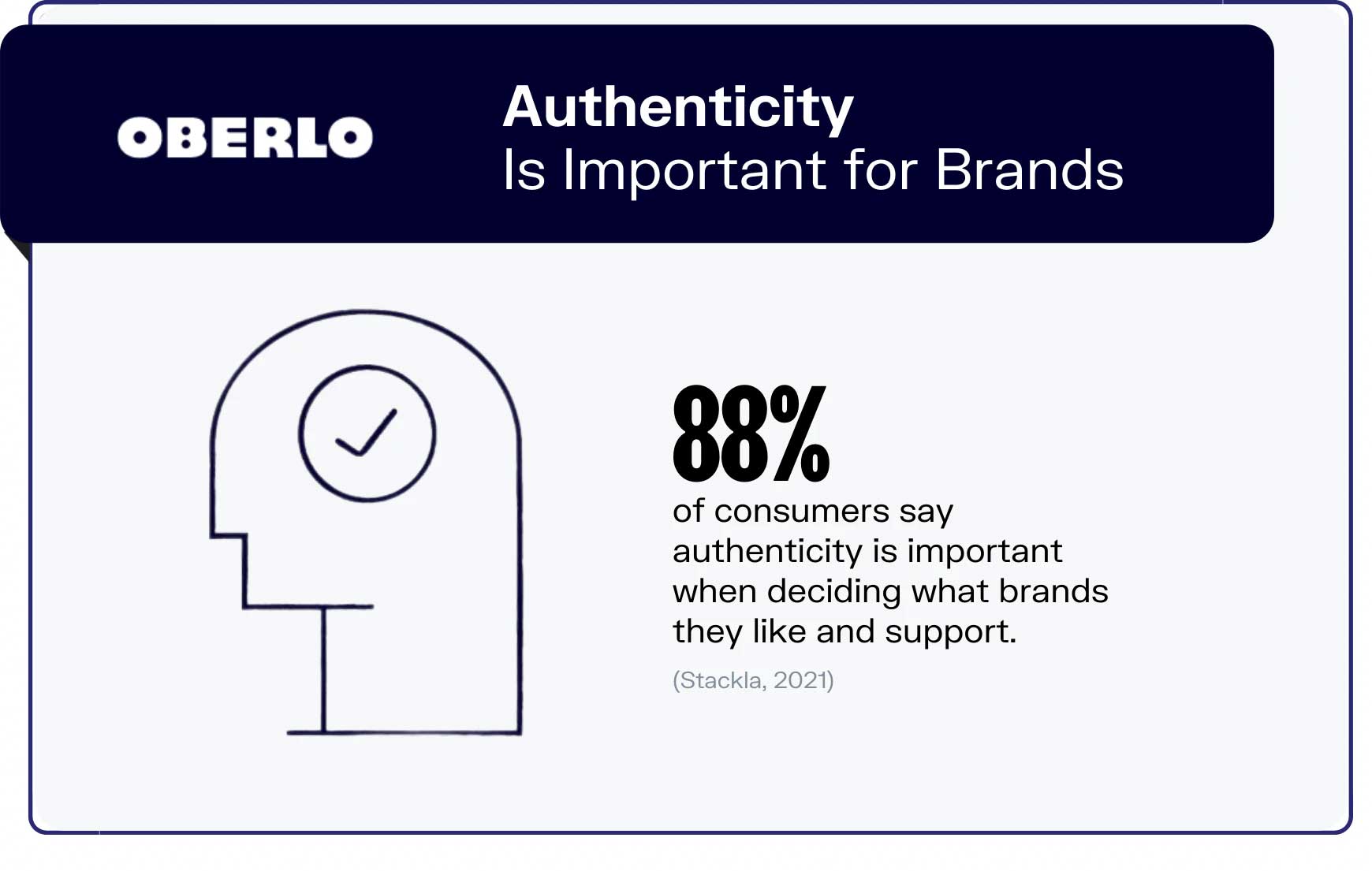
    Incorporating informational and business-related content may seem like the best way to educate a brand’s audience but not anymore. Post-pandemic, 88% of users say that authenticity is a dominant factor when considering buying from a business. 

    Also, considering how people predominantly use Facebook to keep up with their friends and family, all of your efforts to create great content may be going in vain. 

    What we recommend:

    Image describes why Authenticity is important for brands
    Credits: Oberlo

    The answer to impersonalisation is quite simple. Pull back the curtain! An average Facebook user appreciates the human side of a business. Whether your model is B2B or B2C, incorporating humanised elements, such as office pictures, team activity stories and such is a great way to reach out to potential clients.

    We recently collaborated with a consumer electronics brand and created content that showcased the products being used in real situations by real people. The result? Significantly increased engagement and sales!

    If you market B2C, it might be worth considering going the extra mile and engaging with your audience. Form relationships with them by addressing their concerns, listening to their feedback and devising your strategy accordingly will not only build loyalty but, increase your organic reach on Facebook and also make your audience feel heard!

    Plus, by doing so, you’ll have a tonne of content to create!

    3- Inconsistent posting

    Content creation is a tough and lengthy process. We get it. But it’s better to have 0 social media presence than an ill-kempt one. Posting regularly for a week and disappearing for months is not the best move. If consumers aren’t seeing your brand frequently on Facebook, how will they develop a relationship or interest in your company and product?

    A regular posting schedule keeps your audience engaged while attracting new users too. When we say regular, it certainly does not mean posting multiple times a day or even every day of the week. Overposting may overwhelm your audience and frankly, your team too.

    What we suggest:

    As per recent developments, the ideal posting schedule for Facebook is not as high as you might think. You only need to post 3 times a week to maintain a healthy flow of content!

    A bonus tip is to always include Wednesdays in your posting schedule as engagement levels are highest mid-week. As for time, it’s recommended to post between 9 a.m. and 3 p.m.

    Since we’re feeling generous, here’s another nugget: create a calendar specifically for the upcoming holiday season. Think of the times your core audience are most likely to be present on your platform.  Start brainstorming ideas and preparing for it in advance so it’s easy for you to schedule posting on time!

    4- Lack of community management

    Whether it is merely a question, a remark, or positive or negative feedback, the way a brand engages with its audience can simply make or break it. It’s a common practice that most businesses prefer to indulge in positive comments and completely ignore the negative ones, but disregarding bad reviews is not the best customer service approach.

    Ignoring or badly reacting to a negative review may not sit well and affect brand perception for other users. 

    Our recommendation:

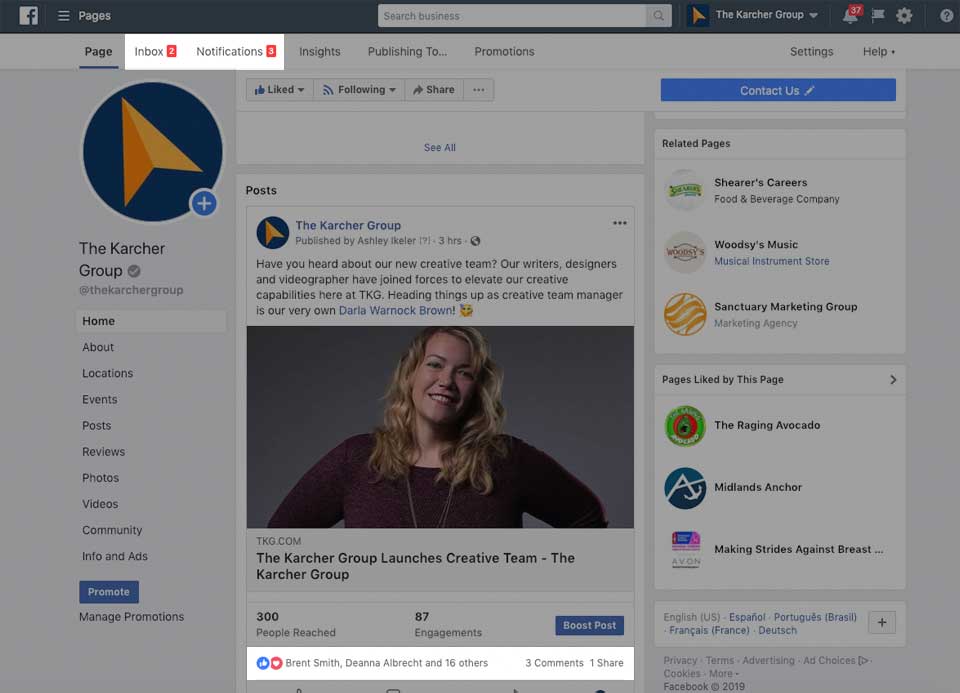
    Image of Facebook page
    Source: Karcher Group

    Facebook allows the option of turning off reviews completely. Turning reviews off may also deprive your business of hearing crucial customer feedback that can help better your brand. Another option is to carefully monitor and manage them through the reviews section.

    Proactiveness is a brand’s best friend when it comes to bad reviews as it’s always better to get ahead of the narrative and offer support. Responsiveness shows that a brand cares and if a bad review turns out to be wrong, the business will be justified automatically, but if it is the business’s fault, an apology and intention to smooth things over will be well-perceived by the users.

    5- Not using reels/stories

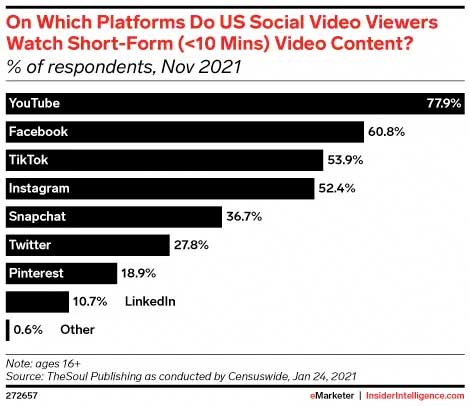
    The usage of Facebook reels is at an all-time high. The feature is available in 150 countries and statistics show that the Meta-owned platform has the highest consumption of short-form content, preceded only by YouTube.

    Some B2B or even B2C organisations may be apprehensive about using the video format that the platform proposes. The content format may seem not aligned with their niche, creation may seem like an arduous task etc. The lack of video content incorporation may be resulting in huge monetary losses. 

    Our advice:

    Image describes the most favourite platform of US citizens to watch online videos
    Source: Insider Intelligence

    Though professionally made reels may be the gold standard, your video content does not have to be as polished. User-generated content is one of the best content types that do exceedingly well across social media platforms. 

    Research shows that an average user spends around 5.4 hours consuming UGC. Adding to that, 40% of the GenZ demographic prefers to see ads in the form of reels or stories.

    Statistics aside, stories and reels on Facebook can also help you share behind-the-scenes content and help develop connections with your audience while guiding them towards a purchase.

    For instance, a beauty brand could look into posting tutorials or how-tos stories or even the texture of their product for an added POV approach to their product. A cherry on top could be a UGC reel of a consumer using the product in real life and narrating their experience.

    Conclusion:

    By paying heed to the mistakes above, businesses from varying niches can reap the full benefits of Facebook marketing without spending a tonne. These are important to consider because the platform has the biggest audience pool with a plethora of marketers caught in the race to have their marketing message heard. Incorporate these pointers in your next Facebook content strategy and let us know how it goes!

  • Boost Your Bottom Line: How Ecommerce Rewards Programs Can Drive Customer Retention

    Image Source: FoxCU

    Ecommerce business owners can understand the importance of keeping customers happy and coming back for more. The implementation of an ecommerce rewards program could be the first step in doing so. In this blog post, I’ll be discussing how ecommerce rewards programs can help drive customer retention, and the benefits they can bring to a business.

    Introduction to Ecommerce Rewards Programs

    An ecommerce rewards program is a loyalty program that rewards customers for their purchases and engagement with your brand. These programs are designed to incentivize customers to keep coming back to your store and make repeat purchases. Rewards can come in many forms, such as discounts, free products, or exclusive access to sales and promotions.

    Why Customer Retention is Crucial for Ecommerce Businesses

    Customer retention is the lifeblood of any ecommerce business. It’s much more cost-effective to keep a customer than to acquire a new one. In fact, it costs five times as much to acquire a new customer than to retain an existing one. Additionally, repeat customers tend to spend more than new customers, making them even more valuable to your business.

    Benefits of Ecommerce Rewards Programs

    Implementing an ecommerce rewards program can bring many benefits to your business. First and foremost, it can increase customer loyalty and retention. By offering rewards for purchases and engagement, you’re giving customers a reason to keep coming back to your store. This can also lead to an increase in customer lifetime value, as they’ll be more likely to make repeat purchases and spend more over time.

    Ecommerce rewards programs can also help to increase customer engagement and satisfaction. By giving customers a sense of exclusivity and appreciation, they’ll feel more connected to your brand and be more likely to recommend you to others. This can lead to increased word-of-mouth marketing and a larger customer base.

    Ecommerce Rewards Program Statistics

    The statistics speak for themselves when it comes to ecommerce rewards programs. According to a study by LoyaltyLion, businesses with rewards programs see a 20% increase in customer retention. Additionally, 81% of consumers say that loyalty programs make them more likely to continue doing business with a brand.

    The Different Types of Ecommerce Rewards Programs

    There are many different types of ecommerce rewards programs you can implement for your business. Here are a few examples:

    • Points-based programs: Customers earn points for purchases and can redeem them for rewards.
    • Tiered programs: Customers move up tiers based on their spending and earn more rewards as they go.
    • Referral programs: Customers earn rewards for referring new customers to your store.
    • VIP programs: Customers are given exclusive access to sales, promotions, and other perks.

    Tip: Kill two birds with one stone by having your consumers create user-generated content for your business and offering a reward for it! 

    Easy Workflow Integrations for Ecommerce Rewards Programs

    Implementing an ecommerce rewards program doesn’t have to be complicated. There are many easy workflow integrations available that can help streamline the process. Here are a few examples:

    • Gorgias: Customer service platform that integrates with rewards programs to provide a seamless customer experience.
    • Yotpo: Marketing platform that includes a rewards program feature.
    • Postco: Shipping and returns platform that integrates with rewards programs to offer customers rewards for their shipping and return activities.
    • Carbon Click: Carbon offsetting platform that offers rewards for customers who offset their carbon footprint.

    Ecommerce Rewards Program Tips for Success

    Implementing an ecommerce rewards program is one thing, but making it successful is another. Here are a few tips to help ensure your rewards program is a success:

    • Keep it simple: Customers are more likely to participate in a rewards program if it’s easy to understand and use.
    • Offer valuable rewards: Make sure the rewards you offer are actually valuable to your customers.
    • Promote your program: Make sure your customers know about your rewards program and how to participate.
    • Measure your success: Track your program’s success and make adjustments as needed.

    Best Practices for Implementing Ecommerce Rewards Programs

    When implementing an ecommerce rewards program, there are a few best practices to keep in mind:

    • Make it easy to join: Customers should be able to join your rewards program with minimal effort.
    • Offer a variety of rewards: Offer rewards that appeal to a variety of customers.
    • Personalize the experience: Use customer data to personalize the rewards experience for each individual customer.
    • Continuously improve: Monitor your program’s success and make adjustments as needed to ensure its continued success.

    Conclusion: Why Ecommerce Rewards Programs are a Must-Have for Customer Retention

    In conclusion, ecommerce rewards programs are a must-have for any ecommerce business looking to improve customer retention and boost their bottom line. By incentivizing customers to keep coming back to your store and engaging with your brand, you’ll see increased loyalty, engagement, and customer lifetime value. With the help of easy workflow integrations and best practices for implementation, you can make your rewards program a success and keep your customers happier than ever before.

    Now that you know the benefits of ecommerce rewards programs, why not implement one for your own business? Your customers will thank you, and your bottom line will too.

  • Email Marketing Templates: The Secret Weapon Your Retail Brand Needs 

    Email Marketing Templates: The Secret Weapon Your Retail Brand Needs 

    Image Source: FreeImages‍ 

    As a retail brand, you’re always looking for ways to reach out to potential customers and keep your existing ones engaged. One of the best ways to do this is through email marketing. However, creating effective email campaigns can be time-consuming and challenging. That’s where email marketing templates come in. In this article, we’ll explore why email marketing templates are the secret weapon your retail brand needs and how you can use them to your advantage. 

    Introduction to Email Marketing Templates 

    Email marketing templates are pre-designed emails that you can use as a starting point for your email campaigns. These templates come in various designs and formats, including newsletters, promotional emails, and event invitations. The templates are customizable, which means you can add your brand’s logo, colors, and other elements to make them unique to your business. By using email marketing templates, you can save time, streamline your email campaigns, and ensure consistency in your brand messaging. 

    Benefits of Using Email Marketing Templates 

    There are several benefits to using email marketing templates for your retail brand. Firstly, they save time. Instead of spending hours creating emails from scratch, you can choose a template that fits your needs and customize it to your liking. Secondly, they ensure consistency in your brand messaging. By using templates, you can ensure that your emails have a consistent look and feel, which can help build brand recognition and loyalty. Thirdly, templates are often designed to be mobile-responsive, meaning they will look great on any device. This is crucial as more and more people are using their mobile devices to check their emails. 

    Types of Email Marketing Templates 

    There are various types of email marketing templates that you can use for your retail brand. These include: 

    Newsletters 

    Newsletters are a great way to keep your customers updated about your brand, new products, and promotions. Newsletter templates often include a header image, a featured article, and links to other articles or products. 

    Promotional Emails 

    Promotional emails are designed to promote a specific product or service. These templates often include a catchy subject line, a product image, and a call-to-action button. 

    Event Invitations 

    If your retail brand is hosting an event, you can use email marketing templates to invite your customers. These templates often include an event banner, details about the event, and RSVP instructions. 

    How to Create Effective Email Templates for Your Brand 

    Creating effective email templates for your retail brand involves several steps: 

    Step 1: Define Your Goals 

    Before you start creating email templates, you need to define your goals. What do you want to achieve with your email campaigns? Do you want to increase sales, build brand loyalty, or drive traffic to your website? Once you’ve defined your goals, you can create templates that align with them. 

    Step 2: Choose a Design 

    The design of your email templates is crucial. You need to choose a design that reflects your brand’s personality and resonates with your target audience. Your templates should be visually appealing, easy to read, and mobile-responsive. 

    Step 3: Write Compelling Copy 

    The copy of your email templates should be clear, concise, and compelling. Your subject line should grab the reader’s attention, and your content should be easy to scan. Use persuasive language and a clear call-to-action to encourage your readers to take action. 

    Step 4: Test and Refine 

    Once you’ve created your email templates, it’s essential to test them before sending them out. Send test emails to yourself or a small group of colleagues to ensure that everything looks and works as it should. Refine your templates based on feedback and analytics. 

    Best Practices for Creating Email Templates 

    To ensure that your email templates are effective, there are several best practices you should follow: 

    Use a Clear Call-to-Action 

    Your call-to-action should be clear and easy to understand. Use action-oriented language, and make it easy for your readers to take action. 

    Keep it Simple 

    Your email templates should be easy to scan and read. Use short paragraphs, bullet points, and images to break up the text. 

    Personalize Where Possible 

    Personalization can help increase engagement and conversions. Use your reader’s name in the subject line and greeting, and segment your email list to send targeted messages. 

    Be Consistent 

    Consistency is key to building brand recognition and loyalty. Use a consistent tone, design, and messaging across all your email campaigns.  

    Utilizing tools like Mailchimp for Email Marketing Templates 

    Mailchimp is a popular email marketing platform that allows you to create and send email campaigns, including templates. Here are some tips for using Mailchimp for email marketing templates: 

    Use Pre-Built Templates 

    Mailchimp offers a range of pre-built templates that you can use as a starting point for your email campaigns. These templates are easy to customize, and you can add your brand’s colors, logo, and other elements. 

    Create Your Own Templates 

    If you want to create your own templates, Mailchimp’s drag-and-drop email builder makes it easy to do so. You can choose from a range of design elements, including images, text, and buttons, and customize them to your liking. 

    Automate Your Email Campaigns 

    Mailchimp allows you to automate your email campaigns, which can save you time and ensure consistency. You can set up automated campaigns for welcome emails, abandoned cart reminders, and more. 


    Graphical user interface, textDescription automatically generated

    Source: Mailchimp 

    Top Email Campaign Templates for Retail Brands 

    Here are some of the top email campaign templates for retail brands: 

    Abandoned Cart Reminder 

    An abandoned cart reminder email is an excellent way to remind customers about items they left in their carts. These emails often include a product image, a call-to-action button, and a discount code to encourage customers to complete their purchase. 

    Welcome Email 

    A welcome email is an opportunity to introduce your brand to new subscribers. These emails often include a welcome message, a discount code, and details about your brand and products. 

    New Product Announcement 

    If your retail brand is launching a new product, you can use email templates to announce it to your customers. These templates often include a product image, product details, and a call-to-action button. 

    How to Personalize Email Templates for Better Engagement 

    Personalization can help increase engagement and conversions. Here are some tips for personalizing your email templates: 

    Use the Reader’s Name 

    Using the reader’s name in the subject line and greeting can help make your email feel more personal. 

    Segment Your Email List 

    Segmenting your email list allows you to send targeted messages to specific groups of customers. For example, you can segment your list by location, purchase history, or interests. 

    Use Dynamic Content 

    Dynamic content allows you to show different content to different subscribers based on their interests or behavior. For example, you can show different products to subscribers who have previously purchased from your brand. 

    Measuring Success with Email Marketing Templates 

    Measuring the success of your email campaigns is crucial to improving your results. Here are some metrics to track: 

    Open Rate 

    The open rate measures the percentage of subscribers who opened your email. A high open rate indicates that your subject line was compelling and relevant to your subscribers. 

    Click-Through Rate 

    The click-through rate measures the percentage of subscribers who clicked on a link in your email. A high click-through rate indicates that your content was relevant and engaging. 

    Conversion Rate 

    The conversion rate measures the percentage of subscribers who completed a desired action, such as making a purchase. A high conversion rate indicates that your call-to-action was effective. 

    Conclusion: The Power of Email Marketing Templates for Retail Brands 

    Email marketing templates are a powerful tool for retail brands. By using templates, you can save time, ensure consistency, and improve the effectiveness of your email campaigns. Follow the best practices outlined in this article and use Mailchimp to create effective templates that resonate with your target audience. Personalize your templates where possible and measure your success to continually improve your results. With the right email marketing templates, your retail brand can build brand loyalty, drive traffic to your website, and increase sales.