Tag: Digital Marketing

  • Unlocking the Power of Authentic User-Generated Content in 2023

    Unlocking the Power of Authentic User-Generated Content in 2023

    Image Source: Unsplash

    With the rising popularity of user-generated content (UGC), it is becoming increasingly important for brands to understand how to leverage its power to drive engagement and increase ROI. By understanding the benefits, challenges, and best practices for using UGC, brands can create a successful content marketing strategy for 2023 and beyond.

    What is user-generated content?

    User generated content refers to exactly what the words say. Content generated by users. It could be anything such as reviews, blog posts, videos, photos, and more. It is usually shared on social media, allowing brands to reach a wider audience and engage with their customers. UGC is also known as consumer-generated content (CGC) or brand-generated content (BGC).

    So, the content that you may have seen on social media that isn’t created by the brand itself but rather by the audience translates to UGC.

    A product review?
    UGC.

    Ways to use a product?
    Also UGC.

    The rise of the phenomenon is due in part to the increasing availability of digital media platforms, such as YouTube, Instagram, TikTok and Snapchat. These platforms allow users to share photos, stories, and videos with their followers, enabling brands to leverage the power of authentic content to reach more people and drive engagement.

    How does it benefit your business?

    The benefits of consumer-generated content are clear regardless of the industry.

    • Increased Visibility: UGC can help brands reach a wider audience and increase brand visibility. By leveraging UGC, brands can showcase their products and services in a more engaging and authentic way.

    Because the message is coming from the audience for the audience, the content carries a lot of power in influencing the decision of other consumers.

    • Enhanced Customer Engagement: UGC helps to create a more personal connection between brands and their customers. By encouraging customers to share their experiences and stories, brands can create a sense of community and engagement with their customers.
    • Improved SEO: UGC can help brands improve their search engine rankings by increasing the amount of content related to their products and services.
    • Increased Trust and Loyalty: UGC can help build trust and loyalty with customers. By showcasing authentic customer stories, brands can create a sense of connection and trust between themselves and their customers.

    Source: Instagram

    How can you optimise user-generated content?

    Using UGC effectively requires a well-thought-out content marketing strategy. Here are some tips for creation.

    Different platforms have different audiences. It is important to choose the right platforms for your content. Think about where your target audience is spending their time and create content specifically for that platform.

    For example, video content does brilliantly well on Instagram. Whether it’s stories or reels, the platform is perfect for catering to audiences who prefer video formats over others.

    Think about what content your audience would find valuable and create stories, videos or posts that resonate with them. Make sure that it’s engaging and interesting!

    Influencers can help you reach a wider audience and drive more engagement with your content. Consider leveraging influencers to help promote your content.

    That said, try to look for niche influencers. Their numbers may be small but the engagement and ROI levels are far better.

    It is important to track and analyze your content to understand what is working and what isn’t. Make sure to use analytics tools to measure the success of your content.

    If you don’t know where to begin, learn the basics of creating a marketing plan first.

    Tips for creating effective and valuable user-generated content.

    Creating effective UGC requires a strategic approach. Here are some tips for nailing it:

    Leverage User Stories: User stories can be a powerful way to engage with your customers. Consider sharing stories from your customers to create a more personal connection.

    This can be written reviews, video testimonials, or even picture-based product reviews.

    Make It Relevant: The content you produce should be relevant to your audience. Think about what content your audience would find useful and create content that resonates with them.

    Focus On Quality: Quality is key when it comes to UGC. And no, I don’t mean high-product and all that jazz. The content should be authentic, unbiased and truthful to actually influence other users.

    Offer Incentives: Offering incentives to your customers for creating content can help to increase engagement. Consider offering discounts or rewards for customers who create content for your brand.

    Source: Instagram

    Methods for making the most out of your consumer-generated content.

    Once you have created your UGC, it is important to leverage it effectively. Here are some strategies to help you out:

    • Spread the word: Consider sharing the content on your social media channels to increase engagement and reach a wider audience.
    • Host Contests or Giveaways: Hosting contests or giveaways can be a great way to engage with your customers and encourage them to create UGC. Consider offering prizes or discounts to customers who create for your brand.
    • Use Influencers: Influencers can be a powerful way to leverage UGC. Consider reaching out to influencers and asking them to promote your content.
    • Measure Your Results: It is important to track and measure your results to understand what is working and what isn’t. Make sure to use analytics tools to measure the success of your content.

    Tools for managing user-generated content.

    There are a number of tools available to help manage UGC. Here are some of the key tools for managing UGC:

    Hootsuite: Hootsuite is a popular tool for managing content. It allows you to monitor, schedule, and publish across multiple platforms.

    Sprout Social: Sprout Social is a management tool as well. It allows you to track and measure engagement, monitor conversations, and respond to comments.

    BuzzSumo: BuzzSumo is a popular tool for finding and analyzing UGC. It allows you to search for content by keywords and analyze the engagement of existing content.

    CoSchedule: CoSchedule is a great tool for creating and managing content. It allows you to create and manage content calendars, track performance, and schedule content.

    Tailwind: Tailwind is a great tool for content management. It allows you to post to multiple platforms, track performance, and analyze engagement.

    Conclusion

    User-generated content (UGC) has become an increasingly popular way for brands to engage with their customers and increase ROI. By understanding the benefits, challenges, and best practices, brands can create a successful content marketing strategy for 2023 and beyond.

    By leveraging the power of UGC, brands can reach a wider audience, build trust and loyalty, and increase sales and ROI.

  • Should consumer electronics brands tweak content according to the social media platform?

    Cross-posting has been on the block ever since the internet exploded and the world got caught up in a whirlwind of digital marketing. With yearly new platforms introduced with the latest features, internet nomads naturally run towards them. 

    More social media apps mean more platforms for marketers to find and target their audience. But while we’ve established that a social presence on every platform ever is not an absolute necessity for most brands, and if it’s required, cross-posting can be truly lifesaving. 

    That said, the concern about altering content for each platform runs rampant among marketers. Depending on who you’d ask, some marketers will advise posting the content as is – with minor adjustments, and some would say to make major alterations. 

    But who to trust?

    By taking the examples of some of the biggest electronics brands in the social media marketing world, let’s answer the question. Should these companies tweak content according to the social media platform when trying to establish a multi-platform presence?

    VIVO Pakistan Facebook page
    Source: Vivo Facebook

    vivo Pakistan Instagram page
    Source: Vivo Instagram

    The first step would be to carry out a social media SWOT analysis

    Businesses can evaluate how their current marketing practices are performing based on the SWOT analysis method. Most companies are familiar with running paid ads and are therefore experienced with gauging conventional campaign success through metrics like CAC, (customer acquisition cost) ROI (return on investment) and CPC (cost per click). 

    A SWOT analysis, however, looks beyond it and identifies critical elements like faulty asset promotions, customer satisfaction and competitors pushing a business out of the market. 

    Having some insight into what your standing among customers on different platforms is, can give you a good idea about what content type and‌ narrative work best. 

    Check what resonates with the audience (trial and error at first)

    Once you have the results from the SWOT analysis and a clear picture of the content preferences of different audiences on different platforms, it would be best to tweak your content accordingly. 

    If you have been posting a lot of static content or informative posts on Instagram but not seeing engagement despite your content being top-notch, it would be better to alter the narrative slightly and turn the same copy into a reel. 

    Instagram’s algorithm prioritizes reels over images and, from a consumer’s point of view, watching a video is significantly easier than reading a post. Similarly, another approach could be assessing what your competitors are doing and checking the current marketing trends. 

    Taking inspiration from consumer electronics companies like Sony, you can create your cross-posting strategy accordingly. 

    Moulding content around the platform. 

    Some content forms are suitable for specific social media platforms. For example, short-form videos are perfect for TikTok and Instagram. And though cross-posting the same thing on all social fronts would be time-saving, it would make little sense to push reels on a text-based website like Twitter. 

    The key is to club similar platforms together. Facebook, Twitter and LinkedIn are mainly text and community based so cross-posting between these two with minimal variation could work.

    However, if the same thought or copy needs to be incorporated in a visual-first platform, we’d suggest changing the content type to perhaps a video or a carousel. 

    Striking the right tone

    Building up on customising content around the platform, electronics brands also need to gauge the tone of the website and then create content around it. 

    Instagram is the perfect hub for pulling back the curtain and showing a more humanistic side of a business. The tone of the platform is more fun, casual and vibrant and content with human faces takes the cake for engagement. Similarly with TikTok, given the laid-back and “authentic” approach the platform has towards content, tech brands can certainly repurpose media with minor changes between them.

    As for LinkedIn and Twitter, both are heavily reliant on text, but some semblance of graphics can be introduced to break the monotony of text. 

    Lastly, Facebook is the best of both worlds and can become the perfect tool to balance text and visuals. Pictures and videos thrive on the platform, but shouldn’t be as casual or laid-back as TikTok or Instagram. Text is suitable but not as formal as LinkedIn either.

    Now, let’s have a look at how Samsung, Panasonic and Toshiba have developed their social media presence on Facebook and Instagram.

    Samsung:

    Boasting a whopping 869k followers on Instagram, the content Samsung puts out is a comfortable balance of engaging and informative. Samsung optimally uses Instagram’s preference for reels and makes them a large chunk of the company’s content on IG.

    For Facebook, they have divided the page into two categories where Samsung Global focuses on the video format and the content itself is more polished and professional. Samsung Electronics is the second page that zeroes in on text-based content.

    However, the content on both platforms is different altogether, with little overlap, if any.

    Samsung Electronics Official Facebook page
    Source: Samsung Electronics Facebook

    Panasonic:

    Panasonic nails its Instagram content strategy by putting a tonne of employee faces on the feed. The visuals are engaging, and employee-centred and the text is light and digestible.

    For Facebook, the tech giant opts to portray a slightly more professional appearance with professionally made videos and more text-heavy informational content. 

    A picture of Panasonic Facebook page
    Source: Panasonic Facebook

    Toshiba:

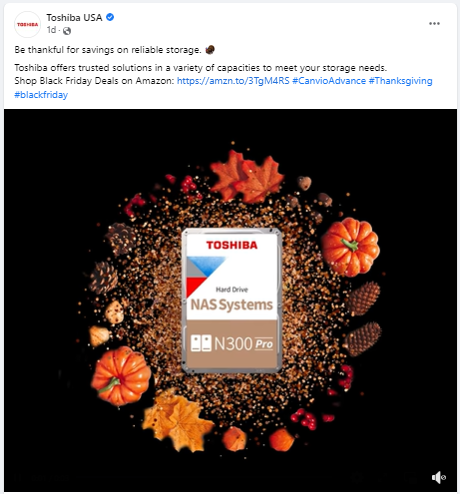
    The Japanese multinational conglomerate has a strong social media presence but cross-posts every piece of content. The copywriting hasn’t changed per se but only the CTA’s are. 

    One can attribute the brand’s marketing efforts to an equal blend of images and informative and accessible textual content that makes it perfect for both Meta platforms.

    A picture of Toshiba post on Instagram
    Source: Toshiba Instagram

    A picture of toshiba post on Instagram
    Source: Toshiba Facebook

    To sum up:

    Cross-posting is a great time saver, but to offer customers the best depiction of the business, tech brands should tweak content based on their audience’s behaviour on different platforms. 

    If they have the option to create fresh content for each website, that’s perfect! But if not, repurposing the same content but in different forms (text into explainer video etcetera), can help create and schedule a consistent image across platforms. 

  • Target audience: harnessing the power of knowing your market

    One of the very first things when venturing to start an online business – or even a physical one – is to have a clear idea of the people you’re going to be targeting. A target market strategy will effectively get the message to the right people.

    But first, let’s define what a target audience is.

    A target audience is a group of consumers who you want to reach with your targeted marketing efforts. Your ideal customer group can be characterised by multiple factors that can be as vague or as specific as you wish. 

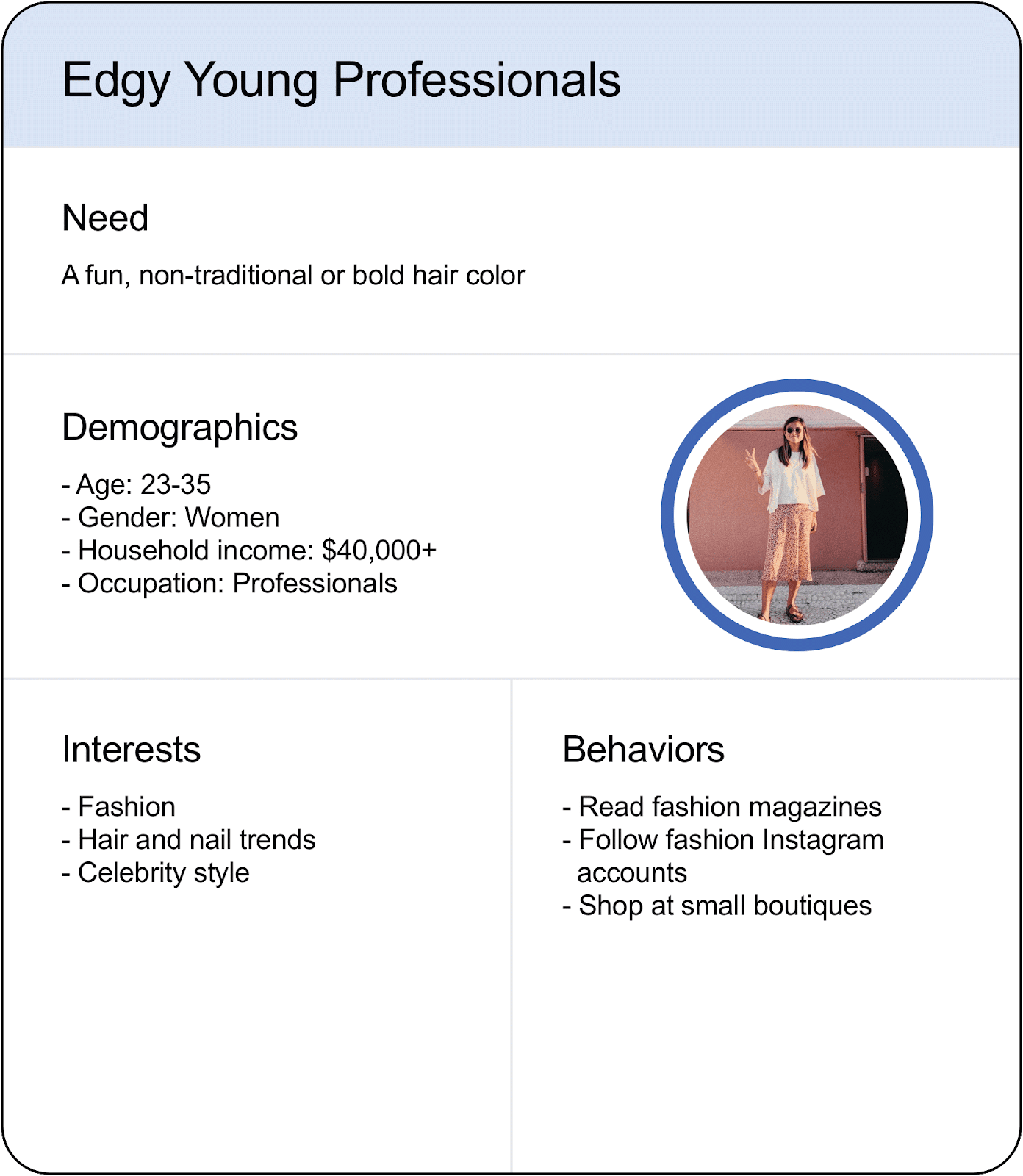
    The characterisation can be done based on specific demographics and psychographics such as:

    •  Age
    • Gender
    • Area
    • Income
    • Interests 
    • Behaviours

    And more.

    Tip: To see optimum results we do advise narrowing your target audience down to the dot.

    These groups are the key influencers in the decision-making processes for marketing strategies. A target audience of a business decides how to appeal to them, where to spend the budget and what commodity to build next.

    Once your target audience is defined, you could also go a step further in defining your buyer personas. A buyer persona is the ideal target audience profile that a business wishes to target based on the data collected from the target audience. 

    Image Explaining why business needs to track the audiences.
    Image Source: Meta Blueprint

    The information helps businesses understand their audience and it’s purchasing behaviours. Targeting a specific audience will help in conveying your message to the right audience who will relate most to your message.

    To help you understand here’s an example.

    Let’s take a stationery item for students as an example. Given that the item is mainly for students, we have our first distinction. If the product is priced higher, the students would be divided into households with specific incomes. Not to mention, if it is targeted specifically to girls, the demographic would be further narrowed down even more.

    So now we have school-going girls belonging to a household with x-amount of monthly income. 

    This is a target audience for a product aimed at upper-class school-going girls. While the business may target boys, or adults even, it may not be the best choice because they would be least likely to purchase it.

    The people in your target audience could be anyone but what would tie them together is an interest in the product you offer. 

    Target market vs target audience? Which one should you work with?

    The terms target market and the audience may sound synonymous and they do refer to mainly the same thing. Still, businesses and marketers must know the difference. 

    Both terms revolve around dividing larger groups into sub-segments. However, target markets pertain to a larger group of consumers that the business targets and the target audience are a further breakdown of said group based on interests, buying history and demographics. 

    Safe to say, you can define your target market by first detecting your target audience. For example, if a target market is “fashion students aged 18-30” the target audience would be “fashion students living in New York City, aged 18-30”.

    Dividing your target audience.

    A business can have more than one type of audience. The two can be classified as:

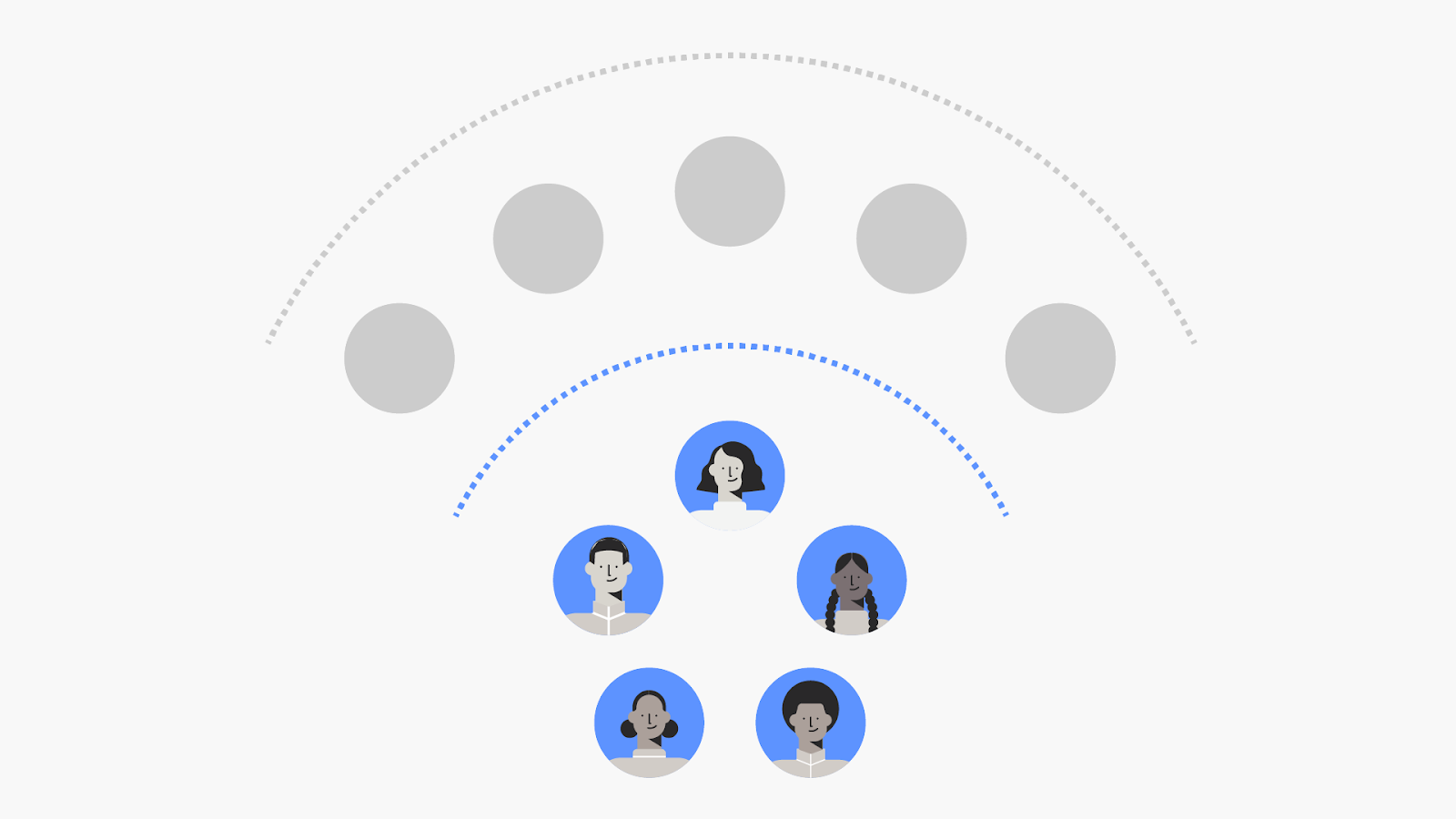
    Image for Primary target Audience
    Image Source: Understand audiences

    • Primary target audience 

    A primary target audience is a group that will get most of a business’s attention as they are most likely to become valuable and loyal customers.

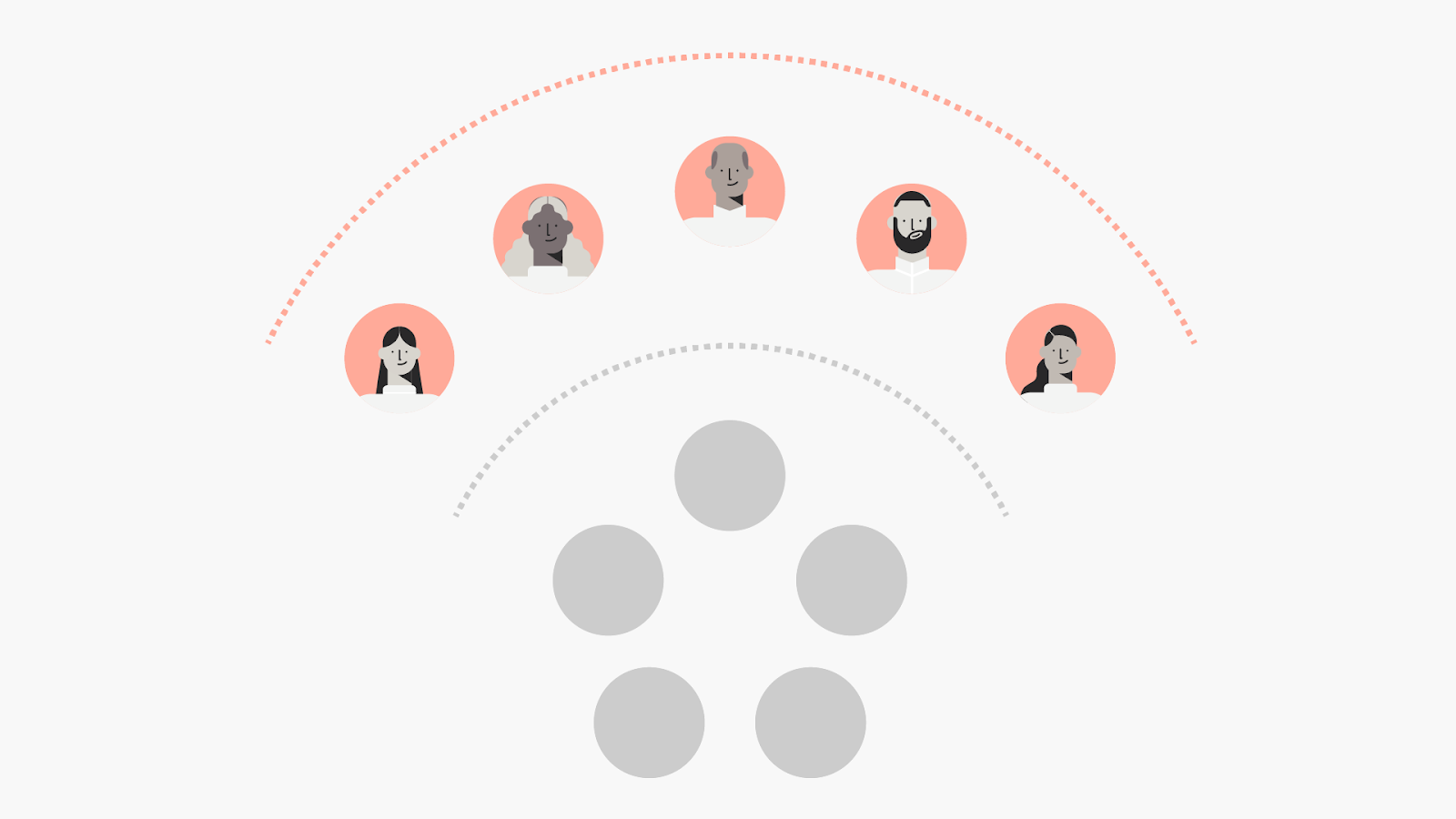
    Image for Secondary Target Audience
    Image Source: Target Audience

    • Secondary target audience

    The secondary target audience on the other hand is a group who may be interested in a product and have common characteristics with your primary target audience but there’s an improbability for them to become valuable customers. 

    This group may not directly include the ideal buyer persona but influencers of their decision-making process too. 

    Children are sometimes a part of the secondary target audience for products targeted towards parents. Also, having a defined secondary cluster of customers can help businesses shape their marketing. Mainly if a business sells more than one product, the overlapping interest between the two groups can appeal to the secondary audience rather than the primary.

    Capitalise on your market knowledge.

    Identifying your target audience can streamline a tonne of processes for a business. Which include but are not limited to

    1. Maximising resources and time

    Just as a vegan food business has its ideal clients so does a steakhouse. Defining the market that needs your services can help understand it and place the product and service accordingly.

    The research becomes the pillar on which the marketing of said business can stand. Casting the net wide and encompassing a broad array of consumer base may seem like the best approach initially but it can severely hamper growth and marketing efforts.

    It’s important to realise how a brand’s message may not resonate with everyone, thus focusing time and resources on a clearly outlined segment can be more rewarding and productive for an organisation.

    1. Does less engagement mean less ROI?

    Engagement being directly proportional to ROI is one of the most widespread social media marketing myths.

    Absolutely no. When a business makes the effort to successfully identify who its target audience is, a focused approach can maximise ROI significantly. For example, when targeting social media users a narrowed approach can bring better results when targeted with tailored content.

    Social media targeting is one of the most popular and rewarding approaches being implemented by businesses all around.

    1. Efficiency in processes – better rewards

    When a business finds the audience that is most likely to convert, creating content that addresses their challenges, concerns and apprehensions can help in tipping the scales.
    Rather than focusing on an audience that may engage with your efforts but isn’t willing to open their wallets, it is better to utilise resources and position your strategy to cater to those who will. 

    Conclusion:

    A single business of course has different types of audiences. We suggest identifying what stage of the buyer journey your customers are on and reaching out with relevant content. Similarly, another approach could be pushing content according to the sales-funnel stage prospective customers are at. 

    Consumer A might be looking for some help in deciding whereas consumer B may need to be educated from scratch.

  • The Secret to Success: Crafting a Winning Marketing Plan

    Image Source: Unsplash‍

    When it comes to success in business, having a solid marketing plan is essential. A marketing plan outlines your strategy for how to reach your target audience, build brand awareness, and increase sales.

    It’s a roadmap for how you will market your business, and it can help you stay focused and organized.

    But what is a marketing plan, and how do you create one? In this blog post, I’ll discuss what a marketing plan is, why it’s important, and how you can craft a winning marketing plan for your business!

    What is a Marketing Plan?

    A marketing plan is a plan of action that outlines your overall marketing strategy. It should include objectives, strategies, tactics, and if possible, a budget for your marketing efforts. A good marketing plan will include customer segmentation, positioning, and product promotion tactics. It should also include market research and analysis of your target audience, competitors, and industry trends.

    The goal of a marketing plan is to provide guidance and direction for your marketing efforts. It should provide a clear roadmap for how you will reach your target audience, build brand awareness, and increase sales. A well-crafted marketing plan will help you stay on track, measure your progress, and adjust your tactics as needed.

    Why is a Marketing Plan Important?

    Having a well-crafted marketing plan is essential for success in business. It’s a roadmap for how you will market your business and reach your goals. A good marketing plan will help you stay focused and organized, and it can help you measure the success of your marketing efforts.

    Having a marketing plan also helps you stay on track. It allows you to set goals and measure your progress. It also helps you adjust your tactics as needed. With a marketing plan, you can easily evaluate your progress and make changes where needed.

    When social media initially took off, businesses were floundering to see what works, and we’ve been there too! Simply put, a solid marketing plan helps you align your efforts correctly. It also gives you a clear idea of what’s working and what needs to go.

    Consequently, it also helps you stay competitive. It allows you to analyze the competition and adjust your strategy accordingly. It also helps you identify potential opportunities and threats in the marketplace. With the right marketing plan, you can stay ahead of the competition and capitalize on new opportunities.

    Steps to Crafting a Winning Marketing Plan

    Creating a winning marketing plan is a critical step in the success of your business. Here are the steps you should follow to craft a great marketing plan:

    • Conduct market research: The first step in creating a winning marketing plan is to conduct market research. This includes researching your target audience, competitors, and industry trends. This will aide in identifying potential opportunities and threats in the marketplace.
    • Set objectives: Once you’ve conducted your research, it’s time to set objectives. This includes setting goals for your marketing efforts, such as increasing brand awareness, generating leads, and increasing sales.
      Always remember, the objectives for each business are completely subjective!
    • Develop strategies: Once you’ve set your objectives, it’s time to develop strategies to achieve them. It should include tactics such as content marketing, email marketing, and social media marketing.
    • Create a budget: After creating your strategies, it’s time for budgeting. This includes determining how much money you will spend on each strategy and tactic. It’s important to create a realistic budget that you can stick to.
    • Measure and adjust: The final step in creating a winning marketing plan is to measure and adjust. This includes tracking the success of your efforts and making adjustments as needed. It’s important to regularly review and adjust your plan to ensure it’s still relevant and effective.

    Get your hands on our free marketing plan template.

    Benefits of Having a Marketing Plan

    Having a well-crafted marketing plan is essential for success in business. Here are some of the benefits of having a marketing plan:

    1. Stay organized: A marketing plan helps you stay organized and focused. It provides a roadmap for how you will achieve your goals, and it can help you stay on track.
    2. Measure progress: A marketing plan allows you to measure your progress and adjust your tactics as needed. It’s a great way to track your progress and make sure you’re on the right track.
    3. Stay competitive: A marketing plan helps you stay competitive in the marketplace. It allows you to analyze the competition and adjust your strategy accordingly.
    4. Save time and money: A marketing plan helps you save time and money. It allows you to identify potential opportunities and threats in the marketplace and adjust your strategy accordingly.

    Creating a Marketing Plan Template

    Creating a marketing plan template is a great way to stay organized and ensure you’re on the right track. A marketing plan template should include sections for objectives, strategies, tactics, and budget. It should also include sections for customer segmentation, positioning, and product promotion.

    A good marketing plan template should be easy to use and understand. It should be tailored to your specific needs and goals. It should also be flexible and easy to adjust as needed.

    Examples of Successful Marketing Plans

    There are many examples of successful marketing plans. Here are a few examples of successful marketing plans:

    1. Apple: Apple’s marketing plan focuses on creating a brand experience that is both innovative and inspiring. Their tactics include creating engaging content, building relationships with influencers, and leveraging digital platforms.

    1. Airbnb: Airbnb’s marketing plan focuses on creating a unique experience for travelers. Their tactics include creating content about travel destinations, leveraging user-generated content, and partnering with influencers.

    1. Netflix: Netflix’s marketing plan focuses on creating an engaging and interactive experience for their customers. Their tactics include creating content about their shows, leveraging social media platforms, and partnering with influencers.

      Wednesday is the prime example of a marketing plan done right. From social media, to billboards and even bus stands, Netflix truly had a stronghold on the audience.

      Did it work? Heck yeah! Wednesday successfully went on to become the second most watched show within WEEKS of being released.

    Services that Can Help with Marketing Plan Creation

    Creating a successful marketing plan can be a time-consuming and complicated task. Fortunately, there are services that can help.

    Some services offer marketing plan creation services, which can help you create and implement a successful marketing plan. They can help you conduct market research, set objectives, develop strategies, create a budget, and measure and adjust your tactics.

    Other services offer marketing plan consulting. These services can help you develop a successful marketing plan and provide guidance and advice on how to implement it.

    Conclusion

    Having a solid marketing plan is essential for success in business. A good marketing plan will help you stay focused and organized, and it can help you measure the success of your marketing efforts. It’s a roadmap for how you will reach your target audience, build brand awareness, and increase sales.

    Creating a winning marketing plan requires research, planning, and dedication. It’s important to set realistic goals, develop strategies, and create a budget. It’s also important to measure and adjust your tactics as needed.

    Creating a winning marketing plan is a critical step in the success of your business. With the right steps and guidance, you can craft a great marketing plan and set yourself up for success.

  • Uncovering the truth; is WhatsApp really a social media platform?

    Having been used as a free messaging and calling app for years, businesses are now considering how WhatsApp can be used to propel their marketing message forward. That said, with limited features and a hardcore focus on privacy, is WhatsApp a social media network or not? Let’s find out.

    Definition of social media

    Social media is defined as any type of online service or website that allows users to create and share content and connect and interact with other users in virtual communities or networks. Social media platforms are online tools that allow people to create and share information, ideas, and images with a wide network of connections. They serve a variety of functions, including business promotion and marketing, networking, and staying connected with friends and family.

    When considering the somewhat strict premises of traditional social media like Facebook, Twitter and Instagram, one can clearly see that WhatsApp, in fact, does not fall into the boundaries of “social networking”. 

    But does that mean that we can render the number one messaging app in the world useless for marketing? Not at all!

    Image showing the statistics of WhatsApp supported countries. WhatsApp is available in 180 countries and in 60 different languages.
    Source: Oberlo

    Advantages of using WhatsApp for marketing

    1. Massive user base

    WhatsApp users are spread across every country, age group, and niche – which makes it incredibly easy to target your audience. 

    2. Low cost

    WhatsApp is free to use and you don’t need to buy additional equipment or hire staff. 

    3. Easy to implement

    There are no specific rules or regulations for WhatsApp marketing. Whether it’s setting up a WhatsApp business profile or cold-messaging prospective customers, everything’s game.

    4. Easy to track Customer journey

    With WhatsApp, you can easily track how many people engage with your content, how many clicks through to your site, and how many buy. 

    5. Good for building a community

    WhatsApp is excellent for building a community around your brand. It’s a great place for engaging with customers, answering questions, and providing regular updates. 

    One of the most rampant and useful website development trends is the usage of the WhatsApp icon within the website. A lot of businesses incorporate the clickable icon on their website, which, upon clicking, directs a client to a WhatsApp chat box.

    6. Provides a wide variety of tools

    It has a built-in poll feature, the ability to send large files, live video, and basic analytics. There are no WhatsApp marketing tools per se, but communication features can be used for marketing purposes.

    Additionally, WhatsApp status is one of the most commonly used features, and Statista estimated its usage to be half a billion in 2019 alone. The status message on WhatsApp can be text, pictures or even videos to promote a product, service or even inform users. 

    A few local businesses indulge in the practice of reaching out to customers in their databases with promotional marketing messages on WhatsApp. Likewise, using the WhatsApp status feature, businesses also inform their customer base about the latest products and offers.

    Image showing the counting of people who use the status feature every day. Approximately, the counting goes up to half a billion people using the status feature every day.
    Source: Oberlo

    7- Wide variety of uses

    WhatsApp can be used for far more than just marketing. It’s also a great tool for keeping in touch with colleagues, friends, and family.

    As per the latest update, the platform can also be used to build communities. 

    Limitations of using WhatsApp for marketing

    1. Limited functionality

    WhatsApp is designed to be a simple messaging platform. As a result, it doesn’t have all the functionality of other social media platforms, such as blogging and lead generation tools. 

    2. Not originally built for marketing

    As mentioned above, WhatsApp is not specifically designed for marketing: In fact, an increasing number of businesses are being warned away from it due to its lack of effectiveness. 

    The interface of the app essentially ties back to its purpose, i.e. calls and messages only. Though recent additional features like stories have been incorporated, the circle in which WhatsApp users engage is still limited.

    3. Privacy concerns

    The biggest disadvantage of using WhatsApp for marketing is privacy. Unlike other social media platforms, WhatsApp doesn’t make any money from advertising. As a result, it can’t be as generous with its user data. 

    4. Difficult to scale

    WhatsApp is great for connecting with a small group of people, but can be fairly difficult to scale up.

    Comparison of WhatsApp to other social media marketing apps

    Let’s take a look at how WhatsApp compares to other social media networks.

    Mobile reach

    All social media platforms now have a mobile app. Social media marketing has enabled businesses to reach the majority of people without them ever needing to visit your website.

    Engagement method

    All social media platforms have their own way of encouraging users to interact. Some of the most popular methods include liking and sharing, commenting, and using hashtags. 

    User demographics

    All social media platforms have a specific demographic in mind when they are designed. This helps them provide a tailored experience for each group. 

    User experience

    All social media platforms have unique designs and layouts. This can affect how users engage with the platform and could mean your content is not as effective.

    Considering the multi-feature communicating approach that these hardcore social media networks could we really call them WhatsApp’s competitors?

    Final verdict: Is WhatsApp a social media platform or not?

    While there are a few benefits to using WhatsApp for marketing, there are also many disadvantages. In fact, WhatsApp seems to be more of a marketing tool as opposed to a social media platform. This is because it lacks many of the features that are associated with social media, such as user engagement and demographics. 

    Therefore, in our opinion, WhatsApp is not a social media platform. That said, there are a few ways you can use WhatsApp to market your business.

    You can create WhatsApp groups and use them as a forum to answer customer questions and provide helpful tips. Alternatively, you could create a WhatsApp news feed and use it to provide regular updates. You can also use it to connect with your team and boost morale.

  • Nokia’s Bold Move: Discover the Benefits of Rebranding Your Business

    Image Source: Pexels

    As a business owner, you understand the importance of staying current and relevant. But what happens when your brand no longer resonates with your audience or fails to reflect your company’s values? This is where rebranding comes in. In this article, we’ll explore the benefits of rebranding, strategies for success, and a case study on Nokia’s bold move to rebrand.

    Why Rebranding is Important for Businesses?

    Rebranding your business can seem like a daunting task, but it’s essential for staying competitive in today’s fast-paced market. A rebrand can breathe new life into your business and help you connect with your target audience in a more meaningful way. It can also help you stand out from your competitors and differentiate your brand in a crowded marketplace.

    Additionally, rebranding can help you stay in line with your company’s values and mission. As your business grows and evolves, it’s natural for your brand to evolve as well. A rebrand can reflect these changes and help you communicate your positioning effectively.

    Rebranding Strategies and How to Choose the Right One for Your Business

    When it comes to rebranding, there are several strategies to consider. Some businesses may choose to completely overhaul their brand, while others may opt for a more subtle refresh. Here are a few rebranding strategies to consider:

    Complete Overhaul

    A complete overhaul involves changing all aspects of your brand, from your logo and website to your messaging and marketing materials. This strategy is best for businesses that need a complete rebrand or are starting from scratch.

    Evolution

    An evolution involves making small changes to your brand over time. This strategy is best for businesses that want to stay current but don’t want to completely change their brand identity.

    Targeted Refresh

    A targeted refresh involves making targeted changes to specific aspects of your brand, such as updating your logo or changing your messaging. This strategy is best for businesses that want to make small changes to their brand without completely overhauling it.

    When choosing a rebranding strategy, it’s important to consider your business goals, target audience, and budget. A complete overhaul may be more expensive and time-consuming, but it can have a bigger impact. A targeted refresh may be more cost-effective and quicker, but it may not have as big of an impact.

    To elaborate further, let’s look at a rebrand by one of the oldest tech giants.

    Case Study: Nokia’s Bold Move to Rebrand

    In 2014, Nokia underwent a major rebrand. The company had recently sold its mobile phone business to Microsoft and wanted to focus on its remaining business units: Nokia Networks and Nokia Technologies.

    The new branding focused on the idea of “human technology” and reflected the company’s commitment to innovation and technology that improves people’s lives. The new logo featured a more modern and streamlined design, and the company’s visual identity was updated to reflect the new brand message.

    The rebrand was a success, and Nokia’s stock price increased by 75% in the first year after the rebrand. The company’s renewed focus on innovation and technology helped it stay competitive in a crowded marketplace.

    Image Source: The Verge

    Fast forward a few years, and the tech giant redesigned its logo to announce that the company has left its mobile manufacturing division far behind.

    The new Nokia logo, launched on February 26th is reflective of the repositioning of the brand i.e. a focus on networks and industrial digitalisation.

    Examples of Successful Rebrands

    There are countless examples of successful rebrands, from Apple’s iconic logo to Coca-Cola’s “Taste the Feeling” campaign. Here are a few more examples of successful rebrands:

    • Starbucks

    In 2011, Starbucks underwent a major rebrand. The new logo removed the company name and focused on the iconic mermaid logo. The new logo was designed to reflect the company’s commitment to sustainability and its focus on coffee.

    • Airbnb

    In 2014, Airbnb underwent a complete rebrand. The new logo and branding focused on the idea of “belonging” and reflected the company’s commitment to creating a sense of community for its users.

    • Old Spice

    In 2010, Old Spice underwent a targeted refresh. The new marketing campaign, “The Man Your Man Could Smell Like,” was a huge success and helped the brand connect with a younger audience.

    Common Mistakes to Avoid During Rebranding

    Rebranding can be a tricky process, and there are several common mistakes to avoid. Here are a few mistakes to watch out for:

    1. Not Doing Your Research

    Before undergoing a rebrand, it’s important to do your research. This includes researching your target audience, competitors, and market trends. Failing to do your research can result in a rebrand that doesn’t resonate with your target audience or isn’t competitive in the marketplace.

    1. Changing Too Much, Too Quickly

    While a complete overhaul can be effective, changing too much too quickly can be jarring for your audience. It’s important to balance the need for change with the need to maintain consistency and familiarity.

    1. Failing to Communicate the Rebrand

    A successful rebrand requires effective communication. Failing to communicate the rebrand to your audience can result in confusion and a loss of trust.

    1. Tips for Creating a Strong Rebranding Strategy

    Creating a strong rebranding strategy requires careful planning and execution. Here are a few tips for creating a successful rebrand:

    1. Set Clear Goals

    Before undergoing a rebrand, it’s important to set clear goals. This includes defining your target audience, identifying your unique selling proposition, and establishing key performance indicators.

    1. Develop a Clear Brand Message and Identity

    A successful rebrand requires a clear brand message and identity. This includes a clear brand voice, messaging, and visual identity that reflects your company’s values and mission.

    1. Involve Your Team

    Rebranding is a team effort, and it’s important to involve your team in the process. This includes getting feedback from employees, involving key stakeholders, and ensuring everyone is on board with the rebrand.

    Image Source: Tailor Brands

    Importance of a Clear Brand Message and Identity

    A clear brand message and identity are essential for a successful rebrand. Your brand message and identity should reflect your company’s values and mission and resonate with your target audience. A clear brand message and identity can also help you stand out from your competitors and differentiate your brand in a crowded marketplace.

    How to Measure the Success of Your Rebranding Efforts

    Measuring the success of your rebranding efforts is essential for determining the effectiveness of your strategy. Here are a few metrics to consider:

    Brand Awareness

    Brand awareness measures how familiar your target audience is with your brand. This can be measured through surveys or social media analytics.

    Engagement

    Engagement measures how much your target audience is interacting with your brand. This can be measured through social media analytics or website traffic data.

    Sales

    Sales are the ultimate metric for measuring the success of your rebrand. This includes tracking sales before and after the rebrand and monitoring changes in customer behavior.

    Have a look at the rebrand Magnetic Marketing did for AMT –  tech brand.

    Conclusion and Final Thoughts

    Rebranding can be a powerful tool for staying relevant and competitive in today’s market. Whether you’re considering a complete overhaul or a targeted refresh, it’s important to take the time to develop a strong rebranding strategy that reflects your company’s values and resonates with your target audience.

    Remember to involve your team in the process, communicate the rebrand to your audience, and measure the success of your efforts. And don’t be afraid to take bold steps, like Nokia did, to differentiate your brand and stay ahead of the competition.

  • Is It Time for Fashion Brands to Put Social Justice First?

    In the past few years, the world has seen a massive shift in social consciousness and attitudes towards social justice. From the #MeToo movement to Black Lives Matter, it seems like everyone is joining the cause to fight for a better world and a fairer society.

    But what about the fashion industry? Is it time for fashion brands to put social justice first? This blog article will explore the concept of brand activism, how the fashion industry has embraced social justice, the benefits and challenges of incorporating social justice into fashion brands, and some tips for launching a successful social justice campaign.

    Photo by tiday on Pixabay

    What is Brand Activism?

    Brand activism, or corporate activism, is a term used to describe the practice of companies engaging in social justice initiatives. This could include anything from donating to charities, campaigning for legislation, or launching their own social change campaigns. Brand activism is often viewed as a way for companies to show their commitment to social causes, as well as to demonstrate their corporate values.

    At its core, brand activism is an attempt to establish an emotional connection between a company and its customers. By engaging in social justice initiatives, companies can demonstrate that they are not only profitable, but that they are also willing to use their platform to make a difference in the world.

    How has the Fashion Industry Embraced Social Justice?

    The fashion industry has been one of the earliest adopters of brand activism. Many fashion brands have long been associated with social causes, such as environmentalism, philanthropy, and animal rights.

    In recent years, this has shifted to include more explicit forms of activism, with fashion brands taking a stand on social issues such as racism, sexism, and LGBTQ+ rights. Major fashion labels such as Nike, Gucci, and Prada have all launched social justice campaigns to show their support for these causes.

    Source: Adidas

    These campaigns often take the form of public campaigns, collaborations with non-profit organizations, and the use of their platforms to raise awareness of social issues. Nike’s “Just Do It” campaign is a prime example of this, with its focus on diversity and inclusivity.

    Benefits of Incorporating Social Justice into Fashion Brands

    There are many benefits to incorporating social justice into fashion brands. For one, it helps to create a positive brand image. By taking a stand on important social issues, fashion brands can demonstrate that they are committed to making a difference in the world. 

    This is one of the best branding and social media marketing techniques that can help to attract customers who share the same values and want to support companies that are making a positive impact.

    In addition, social justice campaigns can help to boost a fashion brand’s visibility. By engaging in public campaigns, fashion brands can reach a wider audience and increase their visibility. This can be particularly helpful for smaller brands that don’t have the resources to launch big campaigns.

    By taking a stand they can foster loyalty and trust in the brand, which can lead to long-term customer relationships.

    Challenges of Incorporating Social Justice into Fashion Brands

    While there are many potential benefits to incorporating social justice into fashion brands, there are also some challenges that need to be addressed. For one, it can be difficult for fashion brands to balance their commitment to social justice with their need to remain profitable. Social justice campaigns can be expensive and time-consuming, and if not managed properly, can lead to losses in profits.

    In addition, fashion brands need to be aware of the potential backlash that can come with taking a stand on social justice issues. If a fashion brand’s campaign is perceived as insincere or opportunistic, it can lead to negative publicity and a loss of credibility.

    Finally, fashion brands need to be aware of the potential legal implications of their social justice campaigns. If a fashion brand is too vocal in their support of a particular cause, it could lead to legal issues. For example, if a fashion brand supports a political candidate, they could be seen as making a political contribution, which could be illegal in some countries.

    Examples of Successful Social Justice Campaigns

    One of the most successful social justice campaigns in recent years was the “We Are All Human” campaign by the fashion label H&M. The campaign featured a series of photographs of models from different backgrounds, with the aim of promoting diversity and inclusivity. The campaign was a huge success, with people from all over the world sharing their stories and showing their support for the cause.

    Another successful social justice campaign was the “Love Your Body” campaign by Dove. The campaign aimed to promote body positivity and encourage people to accept and love their bodies, regardless of shape or size. The campaign was hugely successful, with Dove receiving positive feedback and praise for their efforts.

    Examples of Unsuccessful Social Justice Campaigns

    Unfortunately, not all social justice campaigns have been successful. One example is the “Choose Love” campaign by Nike. The campaign featured a series of videos of people from different backgrounds and cultures, but was widely criticized for its heavy-handed approach and lack of nuance.

    Another example is the “Love Has No Labels” campaign by Pepsi. The campaign aimed to promote diversity and inclusivity but was widely derided for its inauthentic messaging and lack of substance. Many people felt that the campaign was merely capitalizing on the social justice movement, without actually making a meaningful contribution.

    Source: Twitter

    Key Success Factors for a Successful Social Justice Campaign

    So, what makes a successful social justice campaign? Here are some key success factors to consider:

    • Authenticity: Your campaign must be authentic and sincere. It must demonstrate that you genuinely care about the causes you are supporting and have a genuine desire to make a difference.
    • Transparency: Your campaign must be transparent and honest. You should be clear about your goals and objectives, and make sure that you are not taking advantage of the social justice movement for your own gain.
    • Engagement: Your campaign must be engaging and inspiring. It should be something that people can relate to and get behind.
    • Creativity: Your campaign should be creative and original. It should stand out from the crowd and capture people’s attention.
    • Impact: Your campaign should have a tangible impact. It should be something that people can see and feel, and that will make a real difference in the world.

    Developing a Social Justice Campaign

    Developing a successful social justice campaign requires careful planning and execution. Here are some tips for developing a successful campaign:

    1. Identify Your Goals: Before you start developing your campaign, it’s important to identify your goals. What do you want to achieve? What message do you want to convey? What action do you want people to take?
    2. Choose Your Platform: Choose the right platform for your campaign. This could include a website, social media, or even traditional media.
    3. Create a Strategy: Develop a strategy for your campaign. This should include a timeline, budget, and target audience.
    4. Develop Content: Develop content for your campaign. This could include videos, photographs, or even stories.
    5. Measure Results: Track the results of your campaign. This will help you identify what’s working and what needs to be improved.

    Tips for Launching a Social Justice Campaign

    Once you have developed your campaign, it’s time to launch it. Here are some tips for launching a successful social justice campaign:

    • Build Partnerships: Build partnerships with organizations and influencers that share your values and goals. This will help to broaden your reach and amplify your message.
    • Use Social Media: Use social media to get the word out. Post regularly and engage with your followers.
    • Create a Hashtag: Create a hashtag for your campaign. This will help to create a sense of community and encourage people to join the conversation.
    • Collect Feedback: Collect feedback from your followers. This will help you identify what’s working and what needs to be improved.
    • Measure Results: Track the results of your campaign. This will help you identify what’s working and what needs to be improved.

    Conclusion

    It’s clear that the fashion industry is embracing social justice, and there are many potential benefits to incorporating social justice into fashion brands. However, there are also some challenges that need to be addressed, and it’s important for fashion brands to be aware of these before launching a social justice campaign.

    With careful planning and execution, fashion brands can create successful social justice campaigns that make a real difference in the world. By taking a stand on important issues and using their platform to make a positive impact, fashion brands can demonstrate their commitment to social change and create an emotional connection with their customers.

    The world is changing and it’s time for fashion brands to join the cause. Is it time for fashion brands to put social justice first? The answer is a resounding yes.

  • 10 Creative Interactive Facebook Post Ideas To Get Your Audience Engaged

    Facebook still reigns supreme for exposing your content to a broad audience. Businesses from all niches can find or even curate a loyal following with the right marketing. 

    (Here are some key learning points to take home!)

    Key takeaways:

    • Posting content is simply not enough, it needs to be engaging! What better way to increase engagement than having your content interactive?
    • Story games are immensely popular on Facebook and Instagram. Make sure to make the most of the options available. We strongly suggest using the Poll and Questions feature!
    • Video content does amazingly well on social media nowadays. Have your audience interact with your reels on stories or better yet, go live and speak to them in real time!

    Interactive Facebook posts ideas:

    1. Polls

    The internet loves polls! Facebook in specific, allows you to gather insights from your audience with ease while giving you a good idea of what they’re interested in. With the amount of interaction, polls also have the added benefit of allowing you to track the success of your different content types, gauging which is most popular and useful for your audience.

    Tip: To create a poll on Facebook, you need to first create a poll question. Make sure that the question you choose is hooking enough to make your audience want to engage with it.

    A limitation of Facebook polls is that you can only conduct them in stories.

    2. Quizzes

    A quiz is one of the most engaging types of content on Facebook. It can also be a great way to get your target audience to interact with your brand in a meaningful way. Facebook users love quizzes because they can learn something new, interact with others and make new friends. 

    Let’s not forget, it’s all about building a community around your brand.

    You can run quizzes for your business that allow you to engage your target audience with information about your products and services. Facebook’s native quiz tools create custom quizzes. 

    These tools allow you to create multiple-choice questions and also integrate with external services like Survey Monkey and Interaction. This can help you crowdsource your questions and quizzes.

    3. Fill-in-the-Blanks

    A fill-in-the-blank post can be a great way to engage your target audience. It can also be a good way to gauge their interests and help you uncover the needs and interests of your customers. Facebook users love fill-in-the-blank posts because they give them a focus and guide through which to enter their thoughts and feelings. 

    These types of interactive posts can also be a good way to connect with others as a business, especially to gather feedback. 

    Social listening is key when it comes to sustaining and building relationships with your audience.

    You can create a fill-in-the-blank post in a variety of ways. You can use a free or paid tool to create a template, or you can simply type out your content on a computer and paste it onto Facebook. You can also create a fill-in-the-blank post using an iOS or Android app.

    4. Video Contests

    If you’re looking for a different type of fun interactive post that will engage your audience and get them talking, a Facebook contest could be the perfect fit. Internet users love to take part in contests, and they also enjoy watching videos. This means you can use contests to not only engage your audience but also to increase the traffic your content generates.

    You can create a Facebook contest using Facebook’s native tools. You can create multiple prizes and different contests. When creating your contest, be sure to include instructions and rules on how the contest works.

    5. Caption Contests

    Like polls, caption contests can help you gauge the interests of your Facebook followers. They can also be a fun way to get your brand name out there and build some brand equity. Caption contests are a fun and easy way to spread your brand name, engage your fans, and also gauge their interests. 

    Caption contests are brilliant for audience involvement. 

    A tip: post a fun brain teaser!

    6. Add-your pictures

    The picture-adding feature is available on Facebook stories. The feature is shared by Meta-owned Instagram too and is one of the best methods to create a cycle of content. 

    To have your audience interact with your story and take the time to share their take on the brief, make sure that you write something entertaining. 

    Likewise, the brief shouldn’t be too specific either. Everyone has a unique experience and Facebook is a platform with a diverse audience. To ensure high-level participation, your initial brief should be something that most people can relate to.

    For example, “post a picture that sums up your month” or, “the 3rd picture in your gallery will be your mood for the week”.

    7. User-Generated Content

    Facebook users love to share content from businesses and brands that they love. One way to boost your own content and get more likes is to ask your fans for user-generated content. You can create a survey or survey-style post asking your fans to submit photos, videos, polls or other types of posts that they would like to see from you. 

    Or, you can even use a Facebook app to create surveys. When creating surveys or other types of posts that include user-generated content, make sure that you’re not asking too much. If a post goes over the 30-second time limit, it will be less likely to be seen and viewed. In 2023 short and crisp video content does best on Facebook.

    8. Live Q&A

    Facebook users love getting inside information from businesses and brands that they love. An effective way to increase engagement on your Facebook posts is to host a live Q&A session. A live Q&A post will allow you to create a direct connection between your brand and your audience.

     You can do this by asking your fans’ questions and allowing them to provide insight into what they like and what they want to see more of from you. You can host a live Q&A session using a Facebook app, or you can do it by creating a custom post. When creating your post, include the right tags so that the right people see it and can see you.

    Apart from asking what clients want to see more, you could also have them ask questions about your brand and answer them in real time!

    9. Live Events

    Another great way to boost engagement on your page is to host live events on Facebook. Live events allow you to create an interactive experience for your fans, allowing them to get involved in your content and giving you real-time feedback and insight into how you can improve your brand and business.

    People love life events because they provide an interactive experience that’s outside of the typical social media posting. Also, Facebook users are more engaged during live events than when reading a mere post.

    10. Giveaways

    Facebook users love giveaways, and honestly, who doesn’t! An audience is more likely to interact with your posts for giveaways, as opposed to your typical Facebook posting. A giveaway can boost engagement and shares on your posts, especially if it is great! 

    People love giveaways because they’re a great way to get your name out there and give your fans something to talk about. Many businesses also choose to host them on Facebook to boost their brand awareness.

    Conclusion

    Verdict: are interactive posts for Facebook all that important?

    Facebook is the largest social network in the world, and it continues to grow, attract new users, and garner more attention from businesses of all niches. Facebook post ideas can be challenging, but they don’t have to be. With the tips presented in this article, you can integrate creative and effective Facebook post ideas that will get your brand in front of your target audience.

    While these cover the ideas for Facebook, boost your Instagram engagement with Instagram story games

  • 6 social media marketing trends to try before the year ends!

    Social media marketing trends are in constant evolution. A platform, a specific trend or a even content type that was relevant, a year ago might not be as popular now. 

    To help businesses keep on top of the ever-changing fads, here’s a list of 6 trends that can be incorporated into their next marketing strategy. 

    Include TikTok in your marketing platforms

    The father of all social platforms to have a digital presence are of course Meta-owned; Facebook, Facebook Messenger, WhatsApp and Instagram. Instagram was one of the best platforms for businesses that had them experience some of the highest ROIs (depending on the industry) but the trend is slowly changing. 

    TikTok was the most downloaded social media app on the Google Play Store in September this year according to Statista followed by Instagram. 

    Why is business TikTok’s success crucial? To put it plainly, it is the only platform to see staggering and steady growth in the past few years. The short-form video app had only 689 million users in January 2021 and crossed the 1 billion user threshold exactly a year later. That’s approximately 45% growth within the year!

    The users on the platform are primarily Gen Z and millennials (aged 10-29) but recent research shows that users aged 30-49 are steadily climbing the ranks. 

    The search demand for TikTok has also grown by 173% over the last year whereas the growth has only been 22% for Instagram reels.

    The app poses the perfect setup for businesses as they can:

    • Showcase the fun, humanised and authentic side of their brand.
    • The user-friendly interface makes short-form video editing a breeze.
    • TikTok democratises content and gives all users an equal footing in going viral.
    • The TikTok Business Centre provides ample support for organisations to seamlessly operate ad accounts with increased security.

     Maybe your next BTS work video on TikTok will be the next trend!

    Jump on the short-form video bandwagon

    YouTube undoubtedly is still the king of video but with the rise of TikTok, Instagram reels and the general short attention span of the average internet user, short-form content has proven to be a powerful tool for marketers and influencers. 

    This not only increases brand awareness, traffic, and brand loyalty but sales as well.

    report by HubSpot revealed that 54% of marketers were employing short-form videos to reach their marketing goals. What’s interesting is that 85% of marketers surveyed believed that bite-sized video content was the most well-received format on social media in contrast to long-form content. 

    These crisp and to-the-point videos rank highest when looking at marketing options for engagement and lead generation as they significantly increase the chances of going viral. 

    Magnetic Marketing too experienced a surge of engagement when we posted short-form video content ranging from 8-20 seconds. 

    Research has also shown that longer videos actually put off users from consuming content, especially on social media. It was also brought to light that the ideal content length for Facebook, Instagram and TikTok ranges from the 15-30 second ballpark.

    Image graph about video length distribution
    Image source: Vidyard – social media trends

    Offer shopping within the app with social commerce

    Using a social platform to achieve marketing goals has been around the block for some time now. What’s new is that users can now purchase items without leaving the platform. Instagram and Facebook launched the Shops feature back in 2020 to make purchasing a frictionless experience for buyers. 

    The prospect of selling and buying without leaving the platform is going to become immensely popular. Research by eMarketer predicts that by 2025, the social commerce industry would be worth $80 billion in the US only. 

    The go-to method of vetting a business or its product is already social media for the modern buyer. About 54% of social media users use these platforms to find information about a product and check its reviews and the brand’s representation.

    The fashion industry would be a great social commerce example of an industry that has successfully cultivated a loyal audience. 

    By offering a shopfront and checkout option right there and then, businesses can capitalise by making shopping hassle-free for their audience. As of yet, the platforms that offer social shopping experiences are Instagram, Facebook, Pinterest and TikTok.

    An Image of Instagram shop
    Image source: Instagram Shop – how it works

    Have a social listening strategy in place 

    Social media poses to be a gold mine for insights and analytics that companies can use to refine their social strategies. This is where social listening comes in. The activity pertains to identifying growth opportunities and then strategizing according to insight determined through monitoring.

    While social monitoring is certainly the foundation for social listening, the two serve different purposes. Listening to conversations around a brand means that they engage with it in a way that dictates adjustments in their strategy based on insights.  

    Businesses can join in conversations with customers or respond to questions in real time. Doing so can help them understand their customer’s preferences, take charge of the message being put out and avoid PR mishaps.

    The market is full of social listening and social monitoring tools that offer marketers much ease to tap into valuable information. By attuning to a social conversation taking place around a brand, marketers can successfully gauge the efficacy of their efforts, get an understanding of the audience’s sentiment and ultimately increase the value of their organisation. 

    BeReal by employing user-generated content

    Did you catch the pun in our subheading just there? User-generated content is exactly what it refers to. Content created by users for the users. Along with the video, user-generated content keeps appearing on the list of social media trends. 

    Modern consumers look for originality and authenticity over perfection now. Gone are the days when an overly edited image and a perfectly curated feed made a business reliable in the customer’s eyes. They now want content that is real and relatable.

    The popularity of BeReal and TikTok can be attributed to exactly these. The need for real and filter-free content. Statistics show that campaigns that incorporated UGC in their strategies see 50% more engagement. Adding to that, 79% of social media users say that their buying decision is heavily impacted by user-generated content. 

    UGC mainly has three characteristics.

    1. It is created by the customer/user of the product
    2. Is informational and creative in nature
    3. Generally accessible 

    Employing such content in a strategy can have a business appear authentic and the general market sentiment is that people want to work with real brands. The success rate is 29% more when compared to campaigns that do not use it.

    Brand involvement and social justice

    The modern consumer expects the brands they give business to chime into environmental issues, and political and social justice. This could be either sincere involvement or a marketing tactic only. 

    One of the biggest markets, GenZ specifically likes to engage with “ethical brands”. This not only means being conscious of how a business presents itself online but rather how things work on the backend too. 

    Only recently, Adidas was forced to drop Kanye, after the singer made antisemitic remarks. The show company lost $650 million after letting the rapper go. Nike, also engaged proactively in social issues as a part of its marketing.

    Brand activism also in turn humanises a business and may result in increased brand awareness and customer loyalty. Nike’s initiatives bore fruit and the brand experiences a significant number in sales. Brands only need to be careful about how they take on a sensitive topic and need to align their approach to resonate with the sentiment of their target audience. 

    Conclusion

    Social media trends are always changing, which is why brands need to keep their ears close to the buzz. While it may be difficult to follow every trend on our list, we suggest starting slow and incorporating what seems doable in your strategy and focusing on it.

    Also, paying close attention to what your customers say is an approach that goes beyond trends. 

    Summary

    1. Include TikTok in your marketing platforms
    2. Jump on the short-form video bandwagon
    3. Offer shopping within the app with social commerce
    4. Have a social listening strategy in place 
    5. BeReal by employing user-generated content
    6. Brand involvement and social justice

  • 7 social media marketing myths to walk out on in 2023

    The abundance of data on the internet about any given topic means that there is a lot of inaccurate information too. Social media is one of those spheres where personal experience and factual information very commonly butt heads. Considering the number of narratives, it can become difficult to differentiate fact from fiction.

    To tackle the issue, we present 7 social media marketing myths businesses need to leave behind for optimal marketing success in 2023!

         1. It’s important to be omnipresent on social media

    One of the most common misconceptions businesses that are new to social media have is wanting to establish their presence on every social media platform. Don’t get us wrong, we understand how covering some fronts are important for most but it doesn’t mean that they should try to incorporate every website or app in their social media strategy.

    Focusing on platforms where the target audience is predominantly present is the way to go. For example, fashion brands can look into having Instagram, Facebook, TikTok and Pinterest accounts as these are most popularly used among the fashion folk. 

    Narrowing down the approach can help brands better understand the platform, and their audience and create relevant content accordingly. 

    A tip: Identifying marketing goals can effectively help a brand decide which platform to use.

         2. More Followers = More Business

    Illustration of raising hands showing why engagements is important for every digital marketing plan
    Source: Brindle Marketing

    Increasing followers and engagement is undoubtedly a core part of any social media marketing plan. What can be an error is marketers focusing only on this aspect. Malpractices like buying Instagram followers or Facebook likes are common and can affect the strategy negatively in the long run. 

    A healthier approach would be to check the quality of followers rather than the quantity. Having an influx of followers may not mean the best engagement or ROI whereas a focused and even limited pool of users may be the best to increase sales. One of the core practices of a successful marketing strategy is to identify and target the audience properly.

    If confused, head over to a competitor’s profile to check out what they are posting. If the engagement is healthy, the brand will understand the type of content its target audience is attracted to.

         3. It’s okay to wing your marketing 

    Many businesses jump on the social media marketing bandwagon by joining social media platforms without actually having a plan in place. To promote and grow their brand properly having a strategy and a dedicated team behind is extremely important. 

    Without a plan of action, the content being released won’t be conversion-focused and may end up with the wrong audience too.

    A set of goals and a strategy devised to achieve said goals will help the brand stay on track and also provide scalable growth opportunities. 

    Things to do:

    • Identify marketing goals
    • Identify target market
    • Create a content strategy
    • Develop content
    • Post at the right time
    • Check what works and what needs to go

         4. Giving credit isn’t important because its social media

    It’s fairly common for brands to land in hot water because of a “stolen” idea. We say stolen because they don’t give credit where it’s due. In today’s digital landscape, social justice is at an all-time high and users of a platform are quick to call out companies engaging in intellectual theft. 

    This goes beyond intellectual property and encompasses feature posts, images, videos or even a phrase. Marketers may not think of giving credit as an important aspect but it can cost a brand significantly.

    If re-sharing content, a great way to give credit to the creator is simply mentioning them in the comment or caption.

          5. Newer platforms shouldn’t be taken seriously

    It’s a common misconception that social media apps like BeReal and TikTok shouldn’t be taken seriously. Well, TikTok is well on its way to becoming one of the most downloaded apps thanks to its predominantly GenZ and millennial audience that loves authentic short-form video content. 

    If The Washington Post can join TikTok and include it in its marketing strategy, doesn’t that speak for the influence the app has? 

    List of Top favorite people's social media platforms in 2022 year.
    Source: Hootsuite 

    B2B and B2C companies alike are rushing to add it into their content strategies to put the human and light side of their brands to the forefront. While many new social media platforms may be pulling in numbers and it’s great to look into them, we’d still suggest researching platforms that house the majority of a brand’s target audience.

         6. Social media is only for the immature

    Businesses that wish to target middle-aged or elderly people sometimes think of social media marketing as unprofitable because of the assumption that their target audience might not be internet users. The Meta-owned platform, Facebook, houses a whopping population of 35.9% of the entire audience with people aged 45 and above in the US alone. 

    While there are platforms mainly used by GenZ users, apps like Facebook boast a much more mature audience too. The older generation may be a little late to the party, but business owners and users alike have realised the power of social media and are steadily inching towards it.

    These websites are great to sell products and connect with people of all ages. Adding to that, brands can listen to what their consumers say about their product or service and provide better assistance too. 

         7. It’s best to play it safe and stick with old strategies

    A survey of 1,000 marketers by HubSpot revealed that 80% of participants said they would change their social media strategies from 2021-2022.

    While this may be a year ago, the sentiment holds true even more so. Consumer behaviour is always evolving and consequently, so do social media platforms. To be using the same approach in a completely different climate may be stunting a brand’s growth.

    For example, Instagram introduced reels in 2020 to offer a TikTok-like experience. By 2021 it was announced that reels would be prioritised in the algorithm and pushed to a wider audience. Similarly, Instagram also introduced a dual-picture feature heavily inspired by the BeReal app in August.

    The social media marketing world is always agile and it’s beneficial for marketers to tweak their strategies according to what’s new for optimal performance.

    Now that you’ve read about some falsehoods propagated by word of mouth, it’s better to pay heed to research-backed methods and numbers. For things that you’d like to incorporate into your next strategy, look into the top social media marketing trends.

    To sum up:

    • It’s not important to be on every social platform.
    • It’s better to focus on the quality of followers than the quantity.
    • Always have a strategy in place.
    • Always give credit if sharing content.
    • New platforms have great marketing potential.
    • Social media platforms have all age groups present. You only need to find the one most used by your target audience.
    • Stay on top of changing marketing trends by modifying your strategy.