
Headless Shopify vs Traditional Shopify: Which One Wins?
Many businesses choose Shopify because it is simple powerful and reliable.
But once growth begins another question appears.
Should you continue with the traditional Shopify setup or move to Headless Shopify architecture?
Both approaches work well. But they are built for different needs.
Understanding the difference helps businesses choose the right path for long-term growth.
The answer is not always obvious.
Understanding the Traditional Shopify Setup
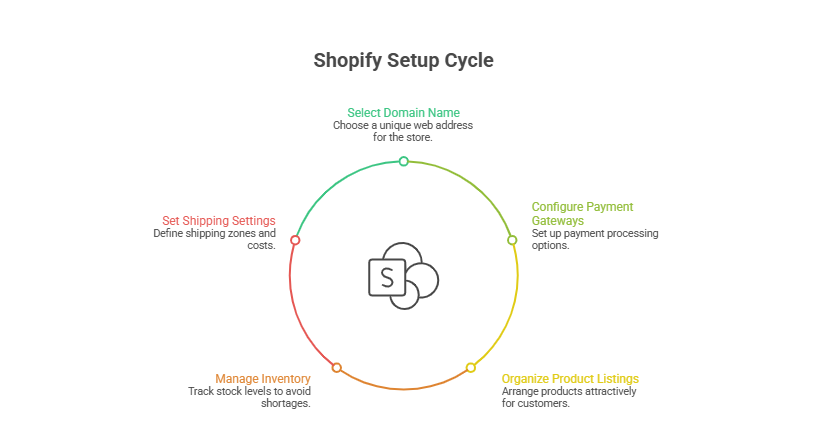
Traditional Shopify is what most stores use.
The platform provides everything in one place.
Your storefront theme backend checkout and hosting all operate within Shopify’s system.
This makes launching a store extremely fast.
You simply choose a theme customize the layout install apps and start selling.
For many businesses this simplicity is the biggest advantage.
Traditional Shopify provides:
- Fast store setup
- Built-in hosting and security
- Pre-designed themes
- Easy product management
- Simple integrations with apps
Everything works together in a single ecosystem.
For small and medium businesses this approach is often enough.
What Headless Shopify Actually Means
Headless Shopify separates the frontend from the backend.
In simple words the storefront design and user interface are built outside Shopify while Shopify still manages products orders and checkout.
Developers use frameworks like React or Next.js to build a completely custom frontend while Shopify runs in the background through APIs.
This architecture provides far greater flexibility.
Businesses can design unique shopping experiences that go beyond the limitations of standard Shopify themes.
Headless Shopify allows:
- Custom storefront development
- Faster page performance
- Full design freedom
- Multi-channel experiences
- Advanced integrations
But this flexibility comes with added complexity.
The Biggest Difference Is Flexibility
Traditional Shopify follows a structured system.
Themes control how the store looks and functions. Customization is possible but only within certain limits.
Headless Shopify removes those limits.
Developers can design any user experience they want.
This means brands can create:
- Fully custom product pages
- Interactive shopping experiences
- Unique mobile interfaces
- Content-driven storefronts
- Advanced personalization features
For brands that prioritize design innovation headless architecture offers a huge advantage.
Performance and Speed Considerations
Speed is critical for ecommerce success.
Traditional Shopify stores perform well but heavy themes multiple apps and scripts can slow them down over time.
Headless Shopify often improves performance because the frontend is optimized separately.
Developers can create lightweight interfaces that load faster than standard themes.
A well-built headless store can deliver:
- Faster page load times
- Improved Core Web Vitals
- Better mobile performance
- Smoother browsing experience
However performance benefits depend heavily on development quality.
A poorly built headless setup can actually become slower than a traditional store.
Development Complexity
This is where the biggest trade-off appears.
Traditional Shopify requires minimal technical knowledge.
Most store owners manage their store without developers.
Apps handle many advanced features.
Headless Shopify is different.
It requires experienced developers who understand:
- API integrations
- Frontend frameworks
- Deployment systems
- Custom architecture
This makes development more complex and more expensive.
For businesses without a technical team this can become difficult to maintain.
Cost Differences
Traditional Shopify is predictable in cost.
You pay for:
- Shopify subscription
- Apps
- Themes
Most stores operate smoothly within these expenses.
Headless Shopify introduces additional costs.
These may include:
- Custom frontend development
- Hosting infrastructure
- Developer maintenance
- API integrations
Initial development alone can be significantly higher.
For smaller stores this investment may not be practical.
Content and Marketing Flexibility
Marketing teams often need flexibility when managing content campaigns and landing pages.
Traditional Shopify themes sometimes limit how content is structured.
Adding advanced layouts or dynamic sections may require development work.
Headless Shopify allows marketing teams to integrate powerful CMS systems like Contentful or Sanity.
This enables:
- Dynamic landing pages
- Personalized content blocks
- Advanced storytelling experiences
- Flexible campaign pages
For brands focused on content marketing this becomes a strong advantage.
App Ecosystem and Integrations
Shopify’s biggest strength is its app ecosystem.
Traditional stores integrate apps easily with minimal configuration.
Most apps are built specifically for Shopify themes.
Headless setups sometimes require custom integrations because apps cannot directly control the frontend.
This means some functionality may require additional development.
While headless provides freedom it also increases integration complexity.
Maintenance and Long-Term Management
Traditional Shopify stores are easier to maintain.
Shopify manages hosting security and most technical infrastructure.
Store owners simply manage products orders and apps.
Headless Shopify requires ongoing monitoring and updates.
Businesses must maintain:
- Frontend frameworks
- Hosting environments
- API connections
- Performance optimization
Without proper technical management the system can become unstable.
Maintenance costs are therefore higher.
When Traditional Shopify Is the Better Choice
For many businesses traditional Shopify remains the best solution.
It works especially well for:
- Small ecommerce businesses
- Startup brands launching quickly
- Stores with simple product catalogs
- Businesses without in-house developers
Traditional Shopify offers reliability speed of launch and easy management.
For most stores this balance of simplicity and power is ideal.
When Headless Shopify Makes Sense
Headless Shopify becomes valuable when businesses outgrow theme limitations.
It works best for:
- Large ecommerce brands
- Stores with heavy traffic
- Businesses needing custom experiences
- Brands investing in advanced UX design
- Companies building omnichannel platforms
In these situations the flexibility of headless architecture provides long-term advantages.
Which One Actually Wins?
There is no universal winner.
The best choice depends on the scale and goals of the business.
Traditional Shopify wins in simplicity.
Headless Shopify wins in flexibility.
Most ecommerce stores succeed perfectly with traditional Shopify because it provides everything needed to run a profitable store.
Headless Shopify becomes valuable when a brand needs deeper control over design performance and digital experiences.
Final Thoughts
The debate between Headless Shopify and Traditional Shopify is really about priorities.
Do you want simplicity or complete flexibility?
Traditional Shopify provides a reliable all-in-one platform that works for the majority of ecommerce stores.
Headless Shopify opens the door to advanced customization and unique digital experiences but requires greater investment and technical expertise.
For growing brands the smartest approach is often starting with traditional Shopify and moving to headless architecture only when business needs truly demand it.
Choosing the right structure is not about trends.
It is about building a store that can support sustainable growth.
Frequently Asked Questions (Headless Shopify vs Traditional Shopify: Which One Wins? )
Is headless Shopify worth it?
Worth it for large complex stores needing custom UX scalability or omnichannel. Not for most adds cost complexity and dev dependency. Optimize standard Shopify first headless only if you hit real limitations.
What is the highest earning Shopify store?
There’s no single highest officially but brands like Fashion Nova are among top Shopify stores, generating hundreds of millions annually with some exceeding $500M+ revenue.
What are the disadvantages of headless?
Headless adds higher costs, complex setup, developer dependency longer development time harder maintenance, SEO challenges, and integration issues. It’s not beginner-friendly and can slow updates without strong technical resources or planning.
Which Shopify account is best?
Basic suits beginners Shopify plan fits growing stores Advanced is best for scaling with lower fees and Shopify Plus targets enterprises. Choose based on budget, sales volume, and required features.